

In 2025, Philippine football made headlines as national teams recorded qualifications, podium finishes, historic firsts, and deeper tournament runs. Alongside these, fan engagement strengthened, and institutional confidence grew, culminating in the country’s historic hosting of the FIFA Futsal Women’s World Cup, and its first-ever SEA Games gold medal in football. Working diligently behind the scenes was a national sports association, the Philippine Football Federation (PFF), whose main goal was to continue growing the most popular sport in the world in a country where it has yet to reach its full potential.
Upon his landslide election as President of the Philippine Football Federation (PFF) in November 2023, John Anthony Gutierrez immediately outlined his agenda. Envisioning the Philippines as a dominant force in Southeast Asia, he set out his administration’s mission towards building a football nation with a vibrant football culture across all regions. This plan focused on empowering Regional Football Associations (RFAs), strengthening grassroots programs and youth player pathways, expanding professional education, and improving the national teams’ performance through good governance. After two years, the Gutierrez administration has demonstrated measurable progress both on and off the field.
The Araneta – Gutierrez Transition
The seamless transition from former President Mariano “Nonong” Araneta, Jr. to the Gutierrez administration has been a cornerstone of the Federation’s recent progress. Gutierrez has consistently built upon the foundations laid by Araneta who has remained a steadfast ally and a vital part of the Philippine football support system.
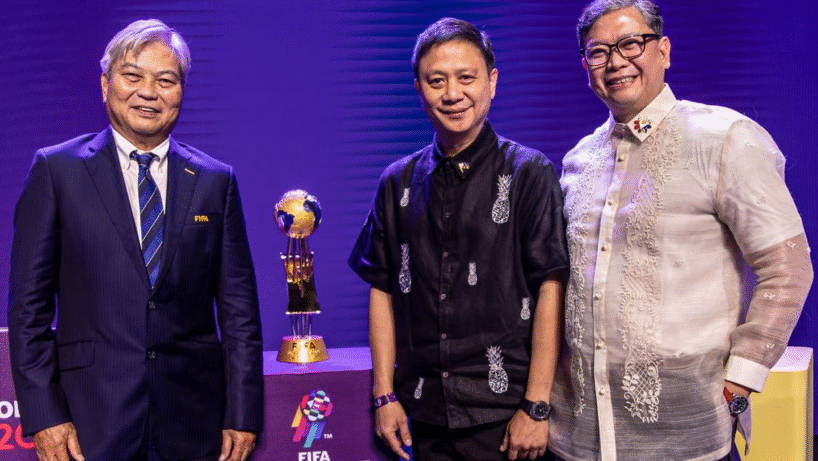
This continuity was particularly evident in international relations, where Araneta continued to represent the Philippines with distinction in global football organizations such as FIFA, AFC and AFF. His ongoing involvement helped the new administration navigate complex challenges, from helping address inherited financial debts to providing institutional backing for the successful hosting of the FIFA Futsal Women’s World Cup. By maintaining this collaborative relationship, both leaders ensured that Philippine football never faltered during the handoff, benefiting instead from a unified leadership front that prioritized the long-term stability and growth of the sport.
The Challenge of Moving Forward
The biggest hurdle to achieving the goals was the huge PFF’s financial debt inherited by both Araneta and Gutierrez from the previous men’s national team management contractual dealings with former national team coaches. While this set the PFF back by around Php 70 million, both PFF Presidents–Araneta and Gutierrez, exerted extensive efforts raising funds to pay this debt, even through personal contributions. Thus, in 2024, the Federation went through recalibration.
As national teams faced stronger competition, fiscal improvements were established, domestic systems were reinforced, and governance reforms were institutionalized.
“Looking back at 2024, we understood that reforming were necessary and that aiming for our agenda would come with difficult lessons,” Gutierrez said. “Those lessons guided our decisions in 2025, helping us refine our operations, stay steadfast with our plans, and ensure that when opportunities came, Philippine football was better prepared to move forward.”

(Photo from Davao South RFA)
Persistence Produces Results
A key factor from 2024 to 2025 was managing and stabilizing the Federation’s financial resources vis-a-vis implementing plans and settling what the Court of Arbitration for Sport (CAS) ruled as due to the foreign coaches.
The Federation persisted in pursuing its programs and fulfilling its obligations. With the exit of the managers of the senior teams in 2024 and in 2025, the Gutierrez administration willingly took on the duty of overseeing both the men’s and women’s senior teams.
Notwithstanding the additional challenges, 2025 proved to be a significant year for the PFF in terms of the national teams’ performance, stakeholder development and engagement, international relations and building a football culture. By the end of 2025, the amounts due to the foreign coaches were settled. Though PFF has yet to fully stabilize its finances, it is in a better fiscal position.
The PFF Congress: A Driving Force of Support
Amidst adversities and victories, the PFF Congress never faltered with the strong mandate it gave to Gutierrez. It served as a driving force for stability, necessary to navigate the hurdles of the last two years. This unity is reflected in the efficiency of recent Congress proceedings, where a shared sense of purpose allowed for swift, decisive action. This relationship relies on constant synergy, with members providing critical feedback while acting as a pillar of strength by implementing national programs within their own regions.
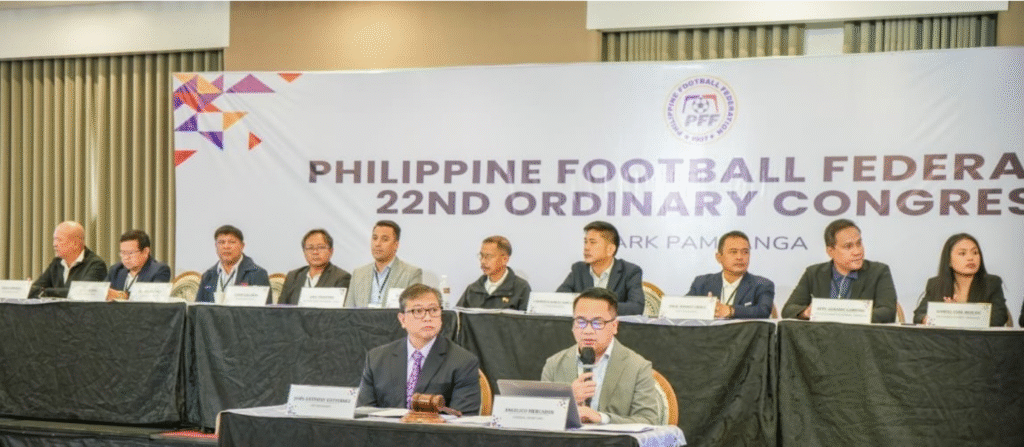
As a driving force for the Federation’s core initiatives, Congress members have led the execution of programs like Football Starts at Home (FSAH), Football for Schools (F4S), and the restructured U16/U19 championships, alongside the Filipina5 Futsal Fiesta. Their commitment extends to the pitch, where they support national teams and facilitate talent identification and professional courses. By strengthening local setups and building a steady talent pipeline, the Congress ensures progress is felt nationwide, proving that the sport’s success is an achievement shared by every regional leader.
Filipinas’ Consistency and Breakthroughs
The Philippine Women’s National Team, or the Filipinas, provided some of the clearest indicators of sustained progress. In July 2025, the team completed a flawless campaign in the 2026 AFC Women’s Asian Cup Qualifiers, winning all matches without conceding a goal. This achievement earned national recognition, including a commendation from the House of Representatives through House Resolution No. 580, alongside continued support from the Philippine Sports Commission (PSC) and Senator Pia Cayetano. The resolution stated, “The Filipinas’ outstanding performance… not only secured their position among Asia’s elite teams but also solidified the Philippines’ emergence as a formidable contender on the global stage of women’s football.”
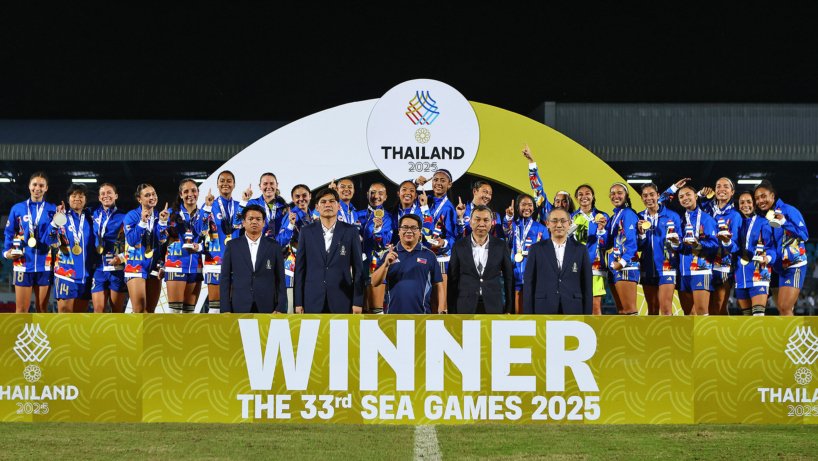
Later in the year, the Filipinas captured the gold medal at the Southeast Asian Games—the country’s first football gold at the biennial meet. Their campaign was defined by composure under pressure, including penalty shootouts, and by the successful integration of younger players into senior competition.
“We dug deep. We showed a lot of heart. And we did this for the Philippines. And we did this for every little girl who wants to dream big,” said team captain Hali Long.
At the youth level, the Women’s U17 National Team continued the upward trajectory. After gaining experience at the 2024 AFC U17 Women’s Asian Cup, the team returned in 2025 to complete a perfect qualifying campaign and secure a place in the continental finals—this time powered largely by grassroots-developed players.
“This qualification shows that shift taking shape: the majority of our 23-player squad were homegrown, trained on local soil, and several of them played decisive roles across our games. That’s the real progress, seeing local talent rise alongside the best from abroad,” said Women’s U17 team manager Selu Lozano.
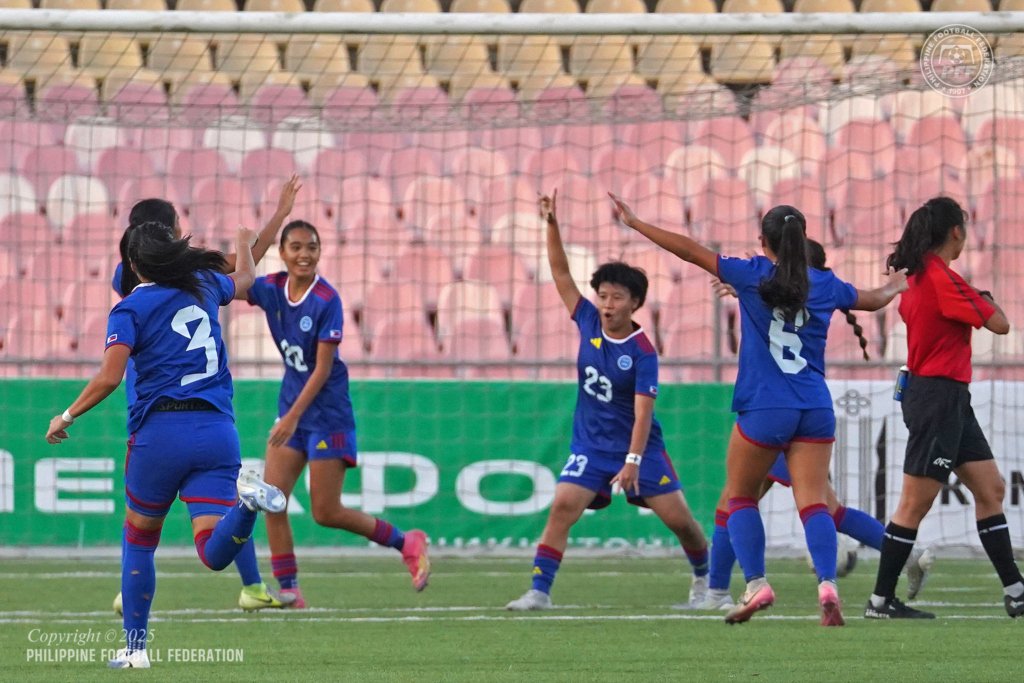
The last two years demonstrated how the Filipinas’ consistent advancement has inspired and paved the way for the integration of both foreign and locally developed talents. This has shown a promising trend and more opportunities for all Filipina footballers, wherever they are, to aspire and play towards making it to the national team.
PH Women’s Futsal on the Global Stage
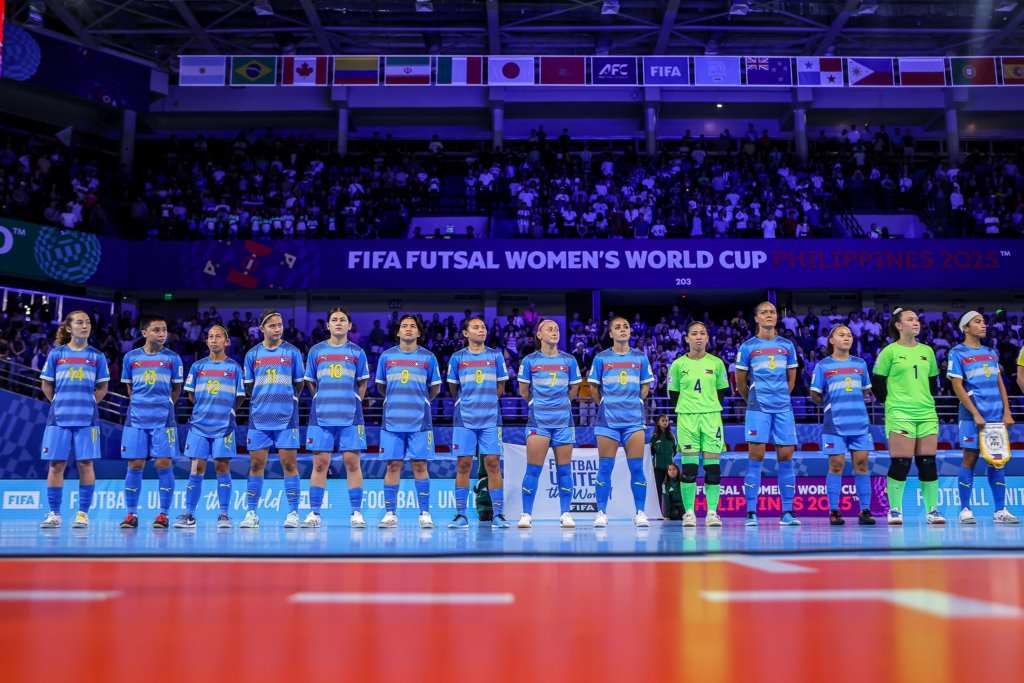
The Philippine Women’s National Futsal Team (Filipina5) achieved multiple historic firsts in 2025. The team qualified for the AFC Women’s Futsal Asian Cup and made its debut at the FIFA Women’s Futsal World Cup (FFWWC), marking the country’s entry into yet another FIFA global event.
Against elite opposition, Filipina5 registered landmark wins, scored goals on the world stage, and reached the SEA Games semifinals — evidence of a rapidly maturing program supported by expanded grassroots futsal activity nationwide.
“I am extremely grateful to have been part of this historic moment,” said Dionesa “Inday” Tolentin. “I extend my deepest gratitude to the coaches, staff, the Federation, President John and FIFA for making what once seemed an impossible dream a reality.”
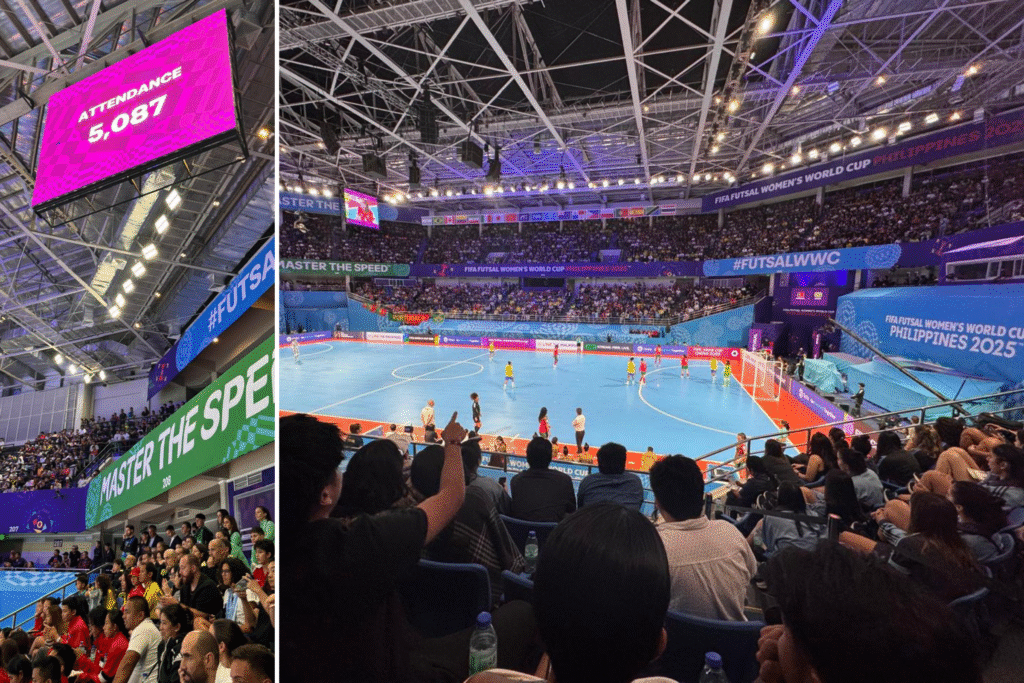
The hosting of the FIFA Women’s Futsal World Cup was very successful. Attendance at the PhilSports Arena consistently exceeded 2,000 per Filipina5 match and surged to over 5,000 during the medal match.
FIFA President Gianni Infantino commended the organizers, led by the PFF and the PSC, saying, “To host the first one of what will be a competition that will grow immensely all over the world is something which is even more special. So, I’m really proud and really happy of what the Philippines have done here.”
Men’s Senior and Youth Teams Rise Again
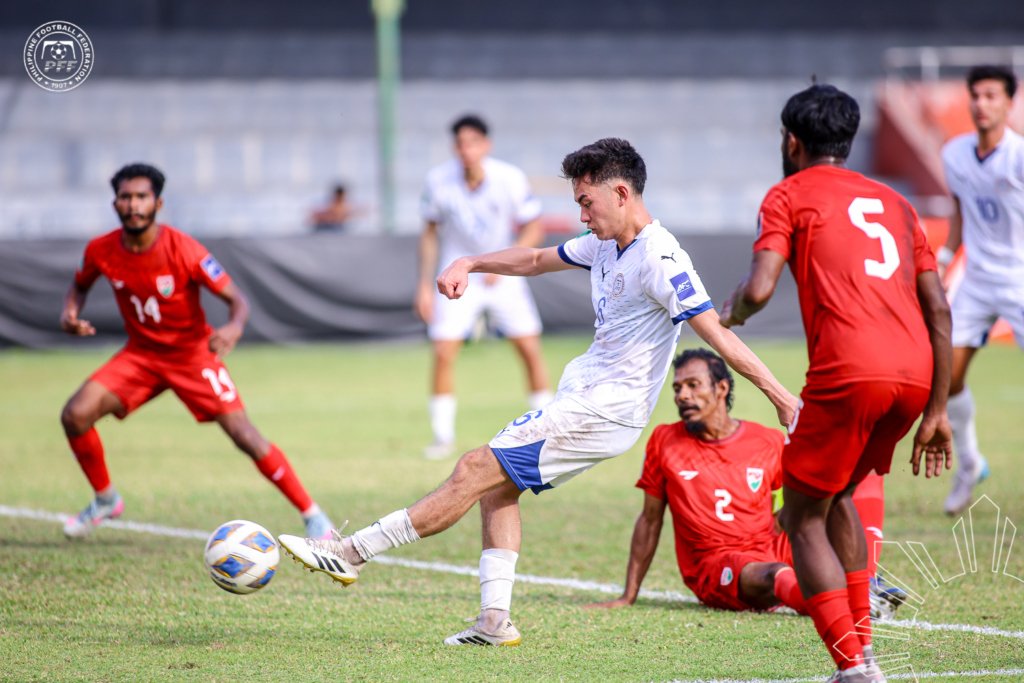
The Philippine Men’s National Football Team (PMNFT), along with its youth squads, re-established international competitiveness after a brief pandemic-era decline. In the 2027 AFC Asian Cup Qualifiers (ACQ), the senior team recorded improved points totals, goal difference, and defensive metrics despite starting from a lower FIFA ranking baseline. The senior side also made headlines at the 2024 ASEAN Mitsubishi Electric Cup, where it achieved a historic 2–1 victory over Thailand in the semifinals first leg for the first time the Philippines had beaten Thailand in 52 years.
From rank 150 in December 2024, the team improved to rank 136 by December 2025.
Public support grew in parallel. Home match attendance reached 22,941 combined fans during the 2025 qualifying cycle at New Clark City, a significant increase from the 9,297 recorded in the 2017–18 cycle, reflecting renewed belief in the team’s direction.
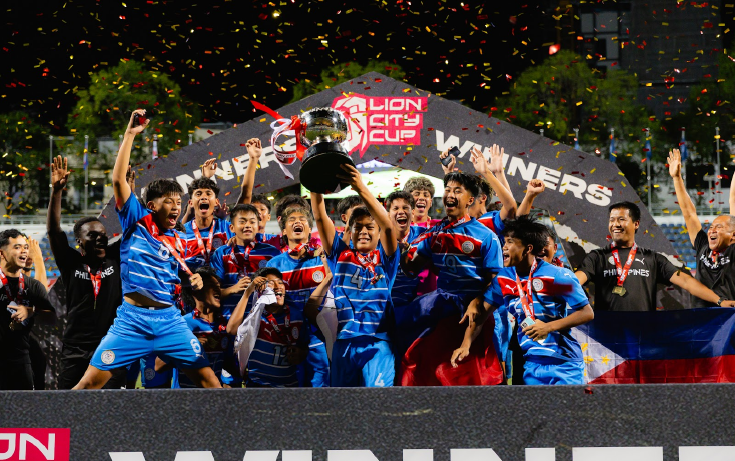
Youth teams also achieved long-awaited milestones. The U16/U17 squad won the Lion City Cup, securing the country’s first international title at that level, and placed second for the first time in a U17 Asian Cup qualifying group during the 2025 U17 ACQ. The U19/U20 squad also notched milestones: First ever win against Timor-Leste and biggest winning margin in U20 ACQ with a 4-0 victory against Brunei in 2024.
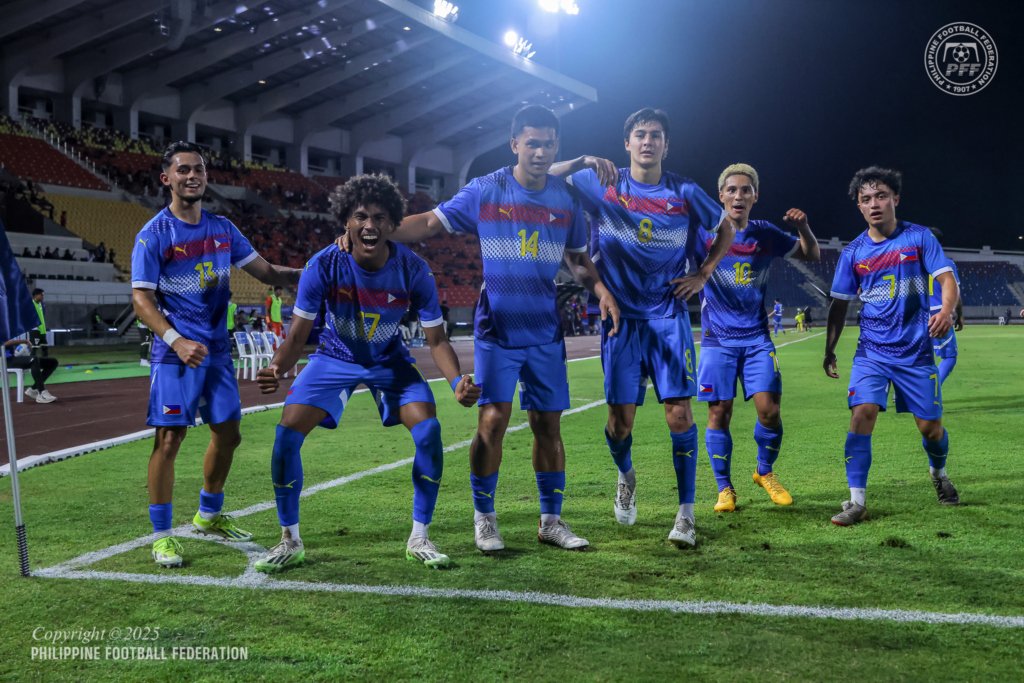
The U22/U23 team reached ASEAN semifinals, recorded first-ever wins against strong continental opponents like Malaysia, Indonesia, and Tajikistan, and posted a winning record in AFC U23 qualifiers. PMNFT U22 ended 2025 with a historic milestone–reaching the SEA Games semifinals for the first time since 1991, ending a 34-year semis drought for Philippine men’s football in the biennial meet.
Professional Clubs Breaking Through
At the professional club level, teams from the Philippines Football League (PFL) continued to gain ground regionally and continentally. In 2025, Cebu FC earned its first win in
the ASEAN Club Championship, Manila Digger reached the quarterfinals of the AFC Challenge League, and Stallion Laguna FC Women advanced to the quarterfinals of the AFC Women’s Asian Champions League.

These breakthroughs followed earlier exposure in 2024 and were supported by improvements in domestic league structures, AFC club licensing compliance, and professional standards across clubs.
The Philippines Football League (PFL) continued to serve as the country’s primary platform for elite men’s football while undergoing a period of structural recalibration. Following its expansion to 15 clubs in 2024, the league transitioned to a more sustainable competitive format in the 2024–25 season, featuring nine clubs alongside the Philippine Men’s Under-20 National Team. This integration provided young national team players with regular exposure to senior-level competition. For the 2025–26 season, the PFL expanded anew to 11 clubs, accommodating approximately 275 registered players, and reinforcing the league’s role in sustaining a stable pool of professional and semi-professional footballers critical to national team depth.
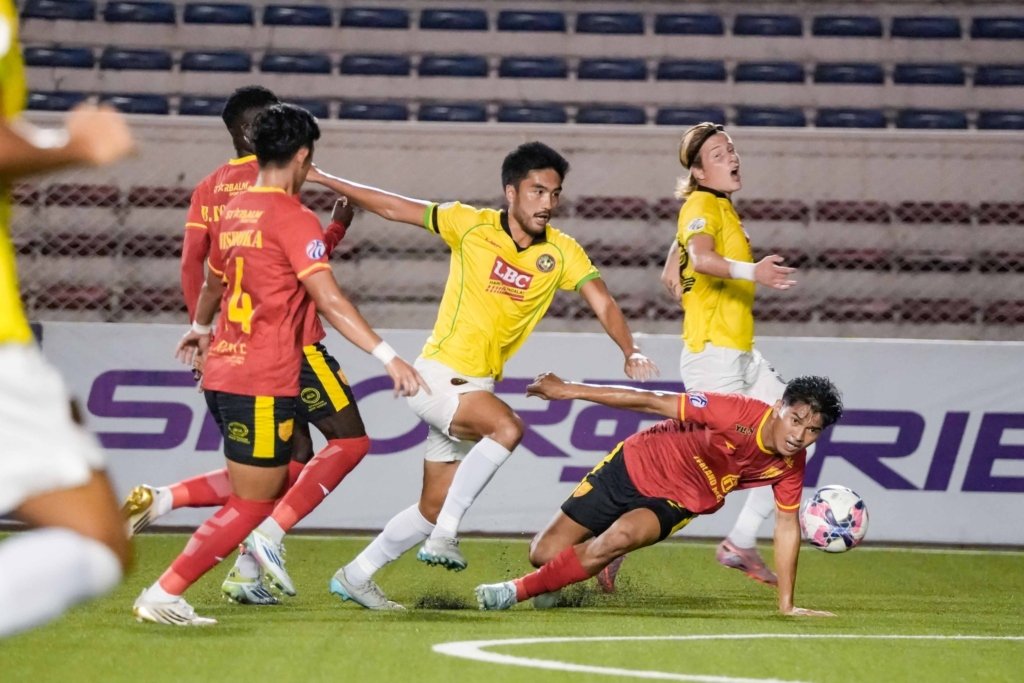
(Photo from 2025-26 PFL Season)
Parallel to league development, alignment with continental standards was strengthened through the AFC Club Licensing system. Dynamic Herb Cebu, Kaya FC–Iloilo, Stallion Laguna FC, United City FC, and One Taguig FC were granted AFC licenses, confirming their adherence to technical, infrastructural, administrative, and financial criteria required for international competition. This enhanced the credibility of Philippine clubs within ASEAN and AFC competitions and ensured that domestic football structures are in tune with regional and continental benchmarks.
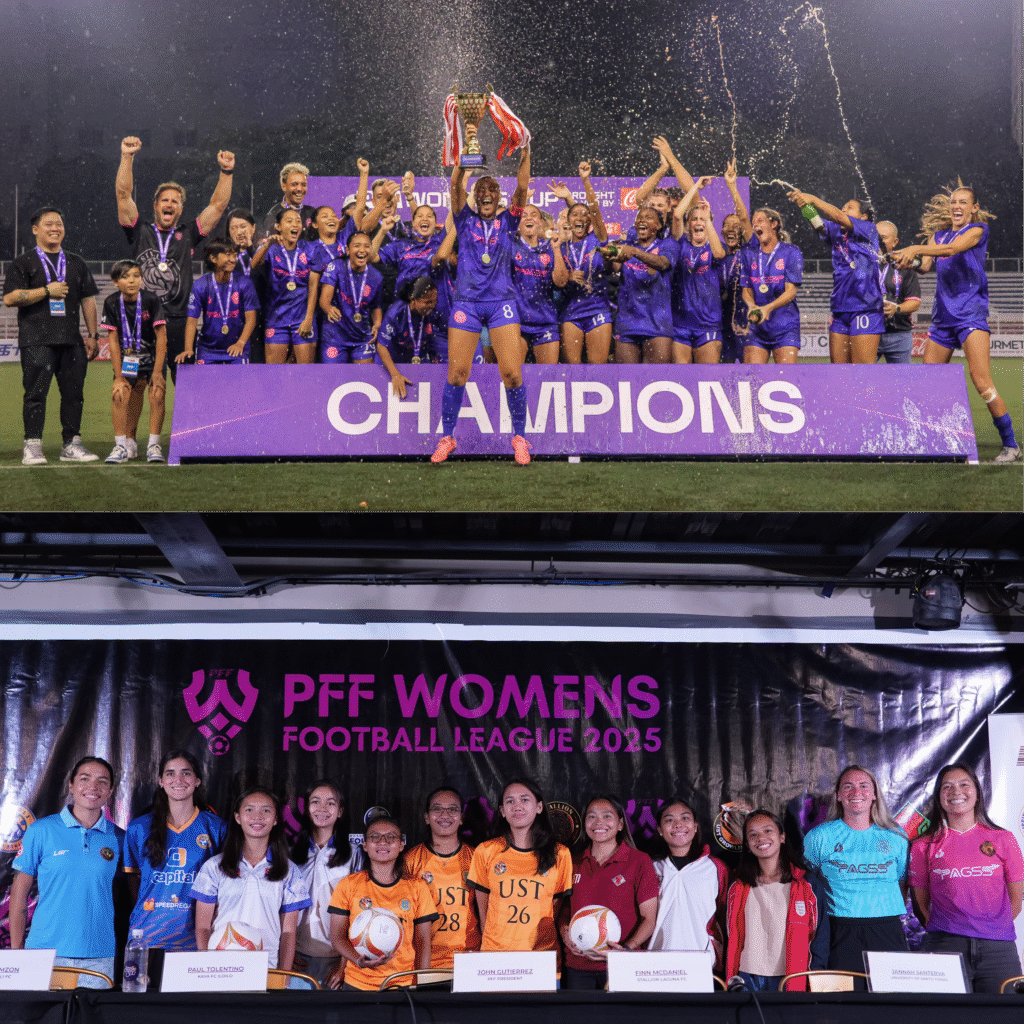
Women’s domestic football likewise experienced renewed momentum. PFF re-launched the Women’s Cup in 2024, attracting six clubs, including Kaya FC–Iloilo, Stallion Laguna FC, Azzurri Sports, Beach Hut, Manila Digger, and Tuloy FC. The competition marked a significant step in restoring a regular competitive calendar for women’s clubs, culminating in Stallion Laguna FC claiming its first-ever national women’s title. The tournament not only provided meaningful match exposure but also helped widen the talent base feeding into women’s national teams.
In 2025, PFF further broadened the women’s pathway through the PFF Women’s League, which expanded participation to include university teams alongside club sides. The league featured four clubs and two varsity teams—Kaya FC–Iloilo, Stallion Laguna FC, Makati Football Club, Capital Solar Strikers, UST Growling Tigers, and UP Fighting Maroons—with approximately 150 female players competing. This integration of collegiate and club football strengthened competitive depth and continuity.
Empowering the Regions and the Executive Committee as the Heart of the Game
At the core of this landmark year was a clear commitment to empowering Regional Football Associations (RFAs). “The PFF had a significant and transformative impact on the RFAs, strengthening our operational capacity and elevating football development nationwide,” said PFF Executive Committee Member and Sultan Kudarat FA General Secretary Atty. Gemayel Gampong. Recognizing that growth cannot come solely from a central office, PFF increased monthly financial subsidies for its member Regional Football Associations (RFAs) from P7,500 to P15,000, with President Gutierrez personally sponsoring P7,500 of the total monthly subsidy. This ensured that local leaders had the resources to develop talent within their own communities.
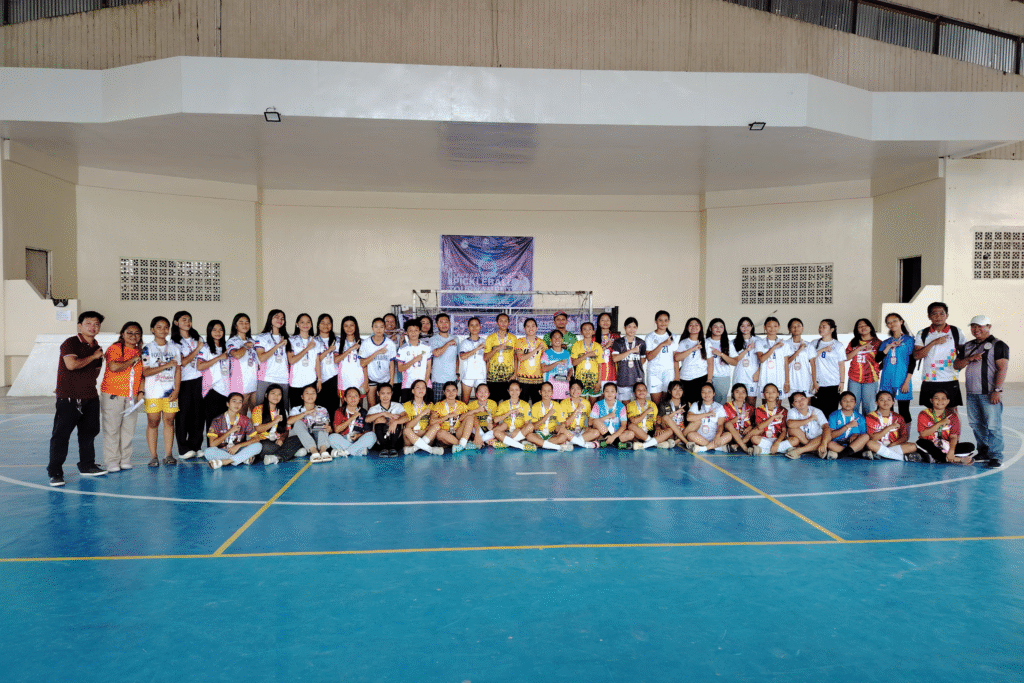
PFF has also admitted five new member associations, including Bohol, Pangasinan, Puerto Princesa-Palawan, Olongapo-Zambales, and Batangas. With these new RFAs, the PFF has grown to become arguably the largest National Sports Association (NSA) in the country, with a nationwide network of 38 Regional Football Associations (RFAs). This extensive reach allows the PFF to effectively promote the sport’s development through widespread grassroots programs, youth development, and national competitions.
More frequent Executive Committee meetings and closer oversight transformed the PFF into an active partner rather than a distant administrator. Governance reforms translated directly into better access, stronger programs, and clearer pathways for players across the provinces.
Building a Sustainable Domestic Culture
This strengthened structure enabled a significant expansion of grassroots activity nationwide. The Football Starts at Home (FSAH) program, launched in 2024 by President John Gutierrez and FSAH founder Tom Byer, promotes the idea of football as a fundamental household sport. This initiative emphasizes the critical role of parents as their children’s first coaches. By engaging in simple, yet focused, bonding activities, parents can help their children, starting as young as three years old, develop essential ball mastery skills and a lasting love for the sport with greater confidence.
The successful FSAH Roadshows, led by Coach Byer and President Gutierrez, reached 2,546 children and parents. These roadshows were crucial in aligning 35 RFAs with the unified national vision.

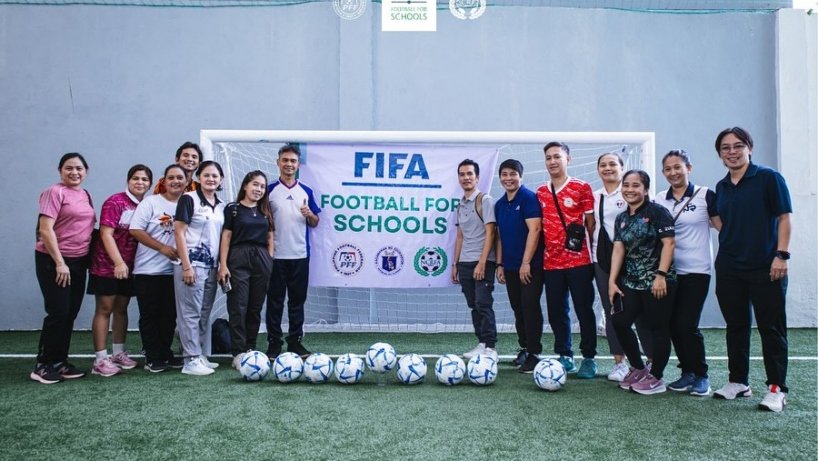
The FIFA Football for Schools Program was a key part of this initiative, facilitating the distribution of over 70,000 footballs to 261 public schools nationwide. This effort, undertaken in partnership with the Department of Education and RFAs, aims to eliminate equipment scarcity as a barrier to participation. Trained teachers are currently conducting corresponding football clinics in these schools throughout the year.
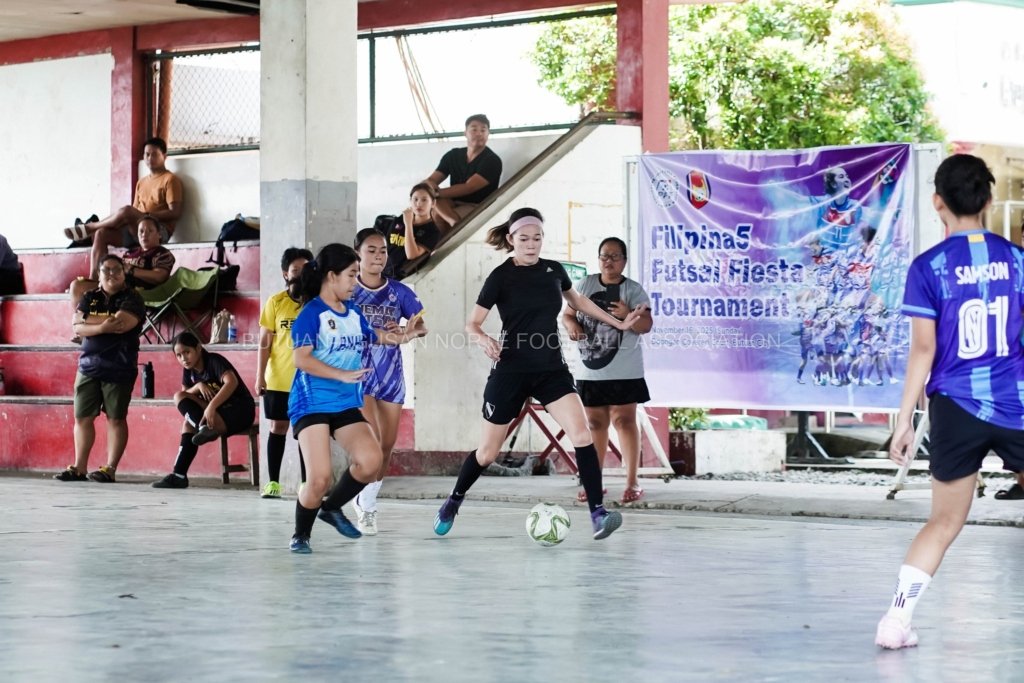
The launch of the Filipina5 Futsal Fiesta marked the country’s first truly nationwide futsal competition, bridging grassroots participation and elite aspiration across 37 regions with more than 1,300 players. Winning teams were given the opportunity to watch the FIFA Futsal Women’s World Cup 2025 in Pasig City.
These initiatives embedded football into daily community life and reinforced a sustainable football culture across the country.
Establishing the Pipeline from Grassroots to Gold
The impact of this systematized approach was evident in competition. The PFF Talent Identification Network scouted 2,043 players across regional tournaments and school leagues for which 82 local coaches were engaged. Talented players were included in the network’s database, integrating high-potential athletes into Centers of Development in key hubs such as Metro Manila and Cebu.
Coach Roman Oliver, head of the PFF Talent Identification Program cited, “Our Men’s National U17’s are all of them under our Talent ID Program. The impact of our work is something that we’ll see in the long term when most of our national team players will come from our Talent ID Project.”
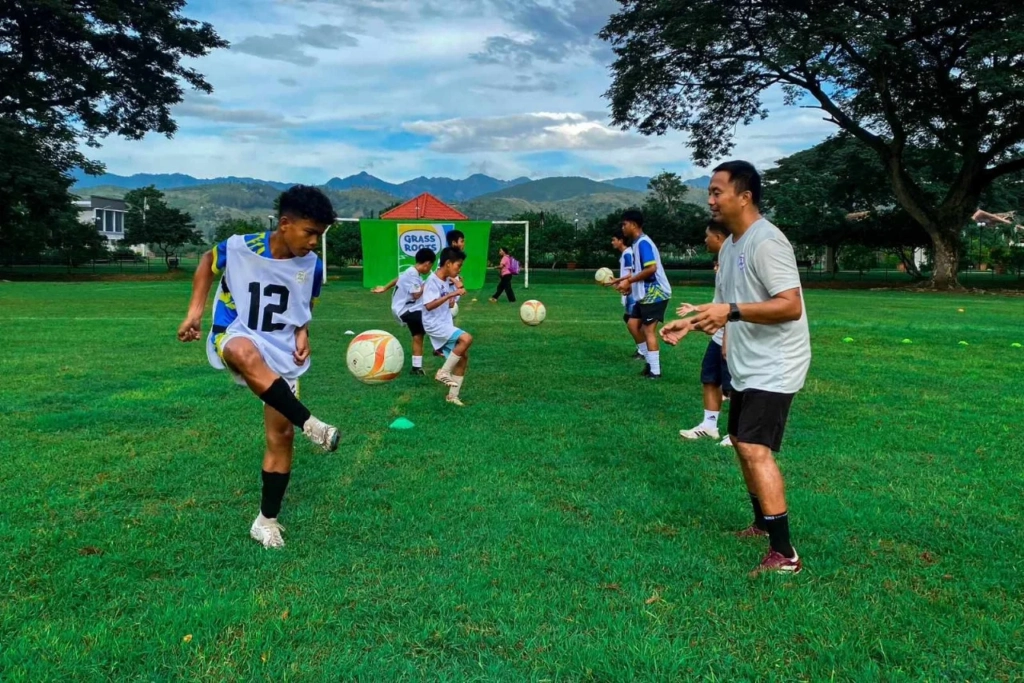
Certainly, the structured pipeline directly contributed to historic achievements, as also shown by the qualifying campaign by the Women’s U17 National Team whose roster was largely composed of homegrown players developed on local soil.
Moreover, the U16 and U19 Boys National Competitions, conducted in 2024-2025 and which will carry over to 2026, provide the much needed games to develop the skills of players, as well as coaches, and referees. As of 2025, there were 437 players from 19 teams across the Philippines who have gained valuable experience from this competitive pathway.
To strengthen the training of elite youth players, Centers of Development (COD) were established in Metro Manila, Negros Occidental and Davao, with more to be set up in 2026.
Professionalizing Operations
On-field progress was matched by deliberate professionalization. With the demands of the growth of football, the need for more football professionals and professionalization of existing structures was apparent. Reinforcing seasoned football experts and staff, the Gutierrez administration brought in new staff who will be trained as the next generation football workforce. A new corporate culture was created with set performance indicators, disciplined work flows and clear human resource guidelines.
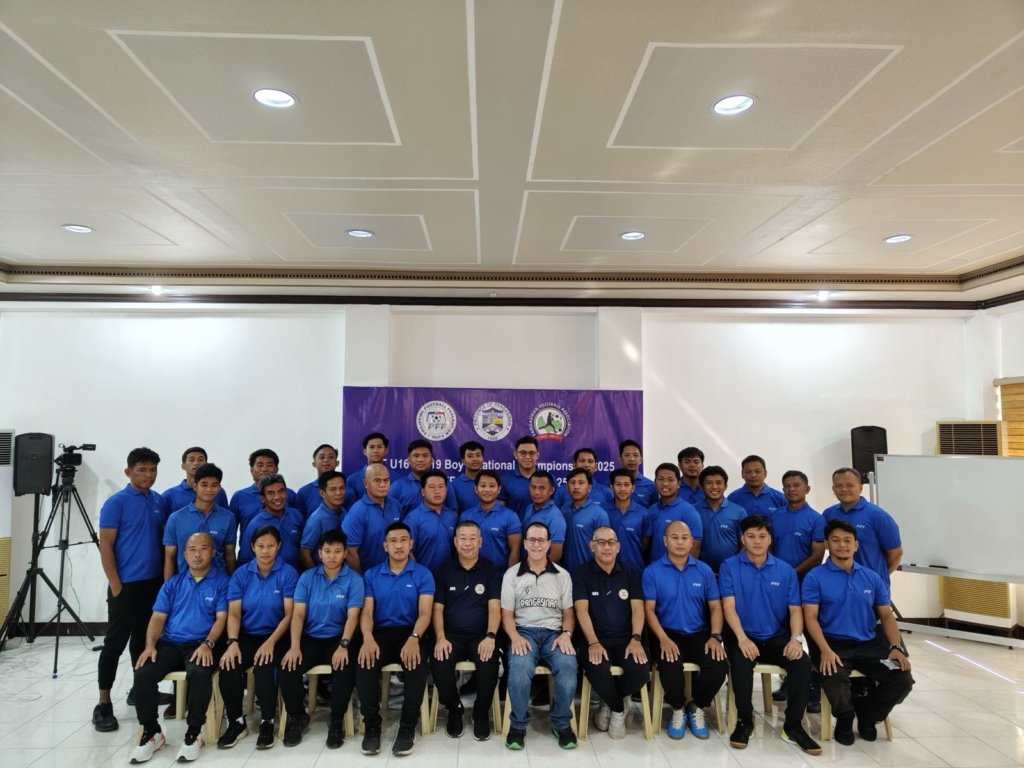
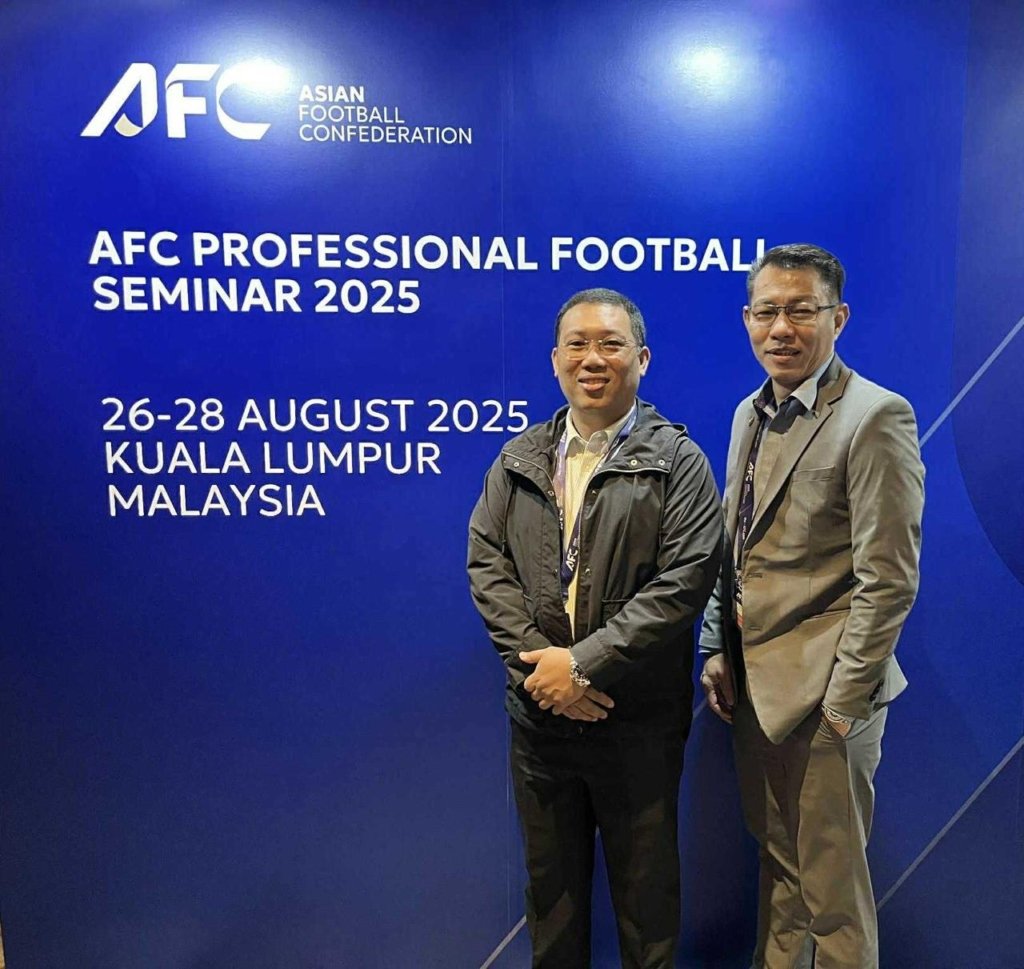
Existing staff were also given opportunities to be exposed in other departments and as part of their professional growth, were endorsed to the Asian Football Confederation (AFC) for various training programs. Two have successfully passed as AFC match commissioners while three as VAR (Video Assistant Referees) officers.
Growing Public Engagement
Beyond competition, public engagement with football expanded significantly across digital, live, and broadcast platforms. PFF’s digital ecosystem recorded strong growth, with the main PFF Facebook page reaching 153.3K followers, generating 55.5 million views and 718.5K interactions (+133%), while link clicks surged by 1,100% to 138.6K. On Instagram, PFF grew to 43K followers, recording 11.4 million views and a 486% increase in reach to 1.9 million. Interest in the national teams further amplified engagement, as the PWNT Facebook page reached 150K followers with 938.9K interactions (+142.3%), and the PMNFT generated 57.6 million views on Facebook since its launch.
On-site engagement mirrored this digital momentum, with home matchday attendance of the national teams reaching a combined 37,433 fans in 2025, supported by effective marketing, vibrant fan zones, and festive in-stadium experiences that blended football with music and entertainment. Broadcast reach also remained strong, with national team matches averaging 137,123 streaming viewers per match across Facebook and OneSports, and peak live viewership reaching 185,470 viewers on Facebook. At the community level, consistent grassroots programs and outreach initiatives further strengthened football’s connection with the public, reinforcing sustained growth in attendance, viewership, and overall fan participation.

International Confidence
International confidence in Philippine football governance continued to deepen through a series of high-level engagements during the 2024–2025 period. This was most significantly marked when FIFA awarded to the Philippines the hosting of the inaugural FIFA Futsal Women’s World Cup. This was also the first-ever FIFA World Cup of its kind in Southeast Asia, with the Philippines chosen as host in a region composed of passionate footballing nations and a rapidly growing football market.
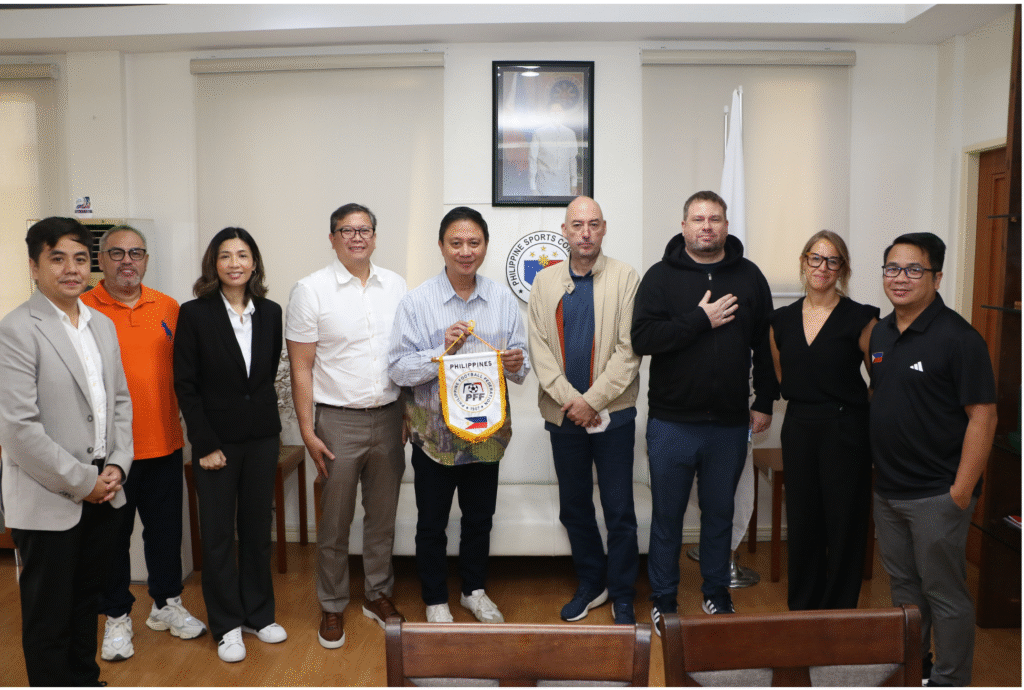
In April 2024, FIFA Development and Finance Teams conducted an official visit to review and support the Federation’s programs, focusing on sustainability, compliance, and long-term planning. This engagement was followed in May 2024 by the visit of AFC President Sheikh Salman bin Ibrahim Al Khalifa, which coincided with the AFC’s 70th anniversary—a milestone made especially significant by the fact that the AFC was founded in the Philippines in 1954. The visit underscored the country’s historical role in Asian football and reaffirmed continental confidence in the Federation’s governance direction.
Preparations for global competition further strengthened international engagement. In February 2025, a 15-member FIFA delegation conducted a comprehensive inspection visit in advance of the FIFA Futsal Women’s World Cup, assessing venues, operations, and organizational readiness.
Later in the year, FIFA reinforced its technical partnership with the PFF through a series of Talent Development Scheme seminars in October 2025, led by FIFA High Performance Specialist Eric Abrams of Belgium and FIFA representative Mike Wong of Singapore. These sessions focused on aligning national talent pathways with global best practices and strengthening long-term player development frameworks.

Women’s football development was likewise supported through direct FIFA technical involvement. The PFF Women’s Football Strategy seminar was co-facilitated by Arijana Demirović, FIFA Head of Development in the Women’s Football Division, and FIFA Technical Expert Simon Toselli. The seminar brought together key stakeholders from RFAs, clubs, and the national team, reinforcing strategic alignment and capacity-building within the women’s game. These initiatives reflected FIFA’s confidence in the Federation’s ability to translate strategic planning into sustained competitive outcomes.

This period of international engagement culminated in November 2025 with the visit of FIFA President Gianni Infantino for the FIFA Futsal Women’s World Cup—the Philippines’ first-ever hosting of a FIFA World Cup finals.
Parallel to these visits, PFF leadership maintained an active presence in international governance, participating in the AFC and FIFA Congresses in Bangkok in 2024, meeting with FIFA President Gianni Infantino in Paris in August 2024, and joining the AFC Presidents and General Secretaries Conference in Riyadh in October 2025.
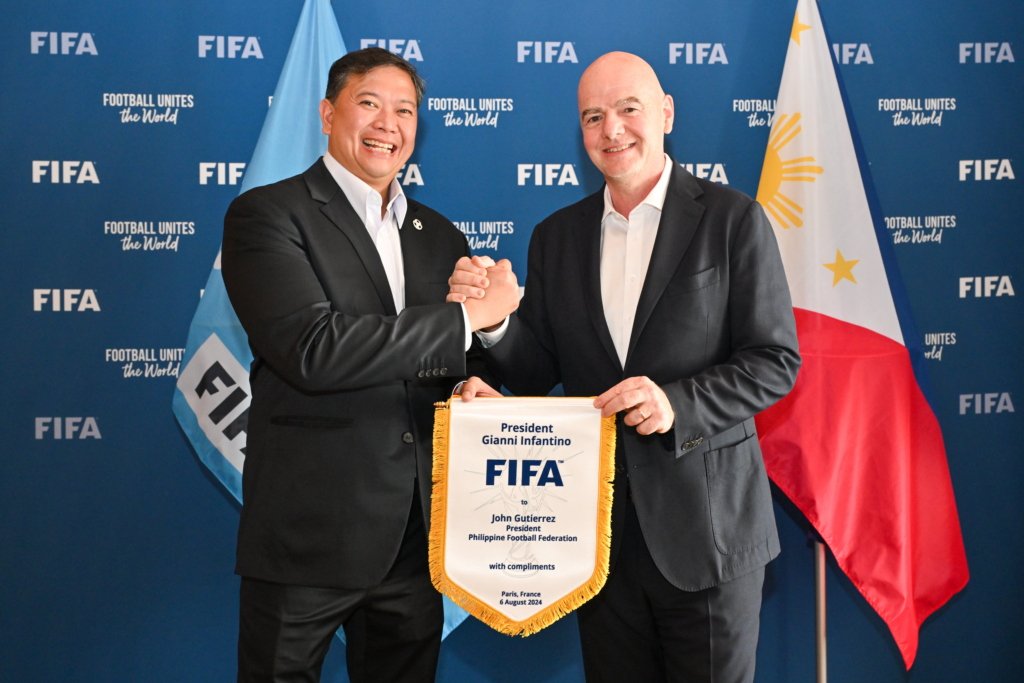
These engagements were reinforced by appointments of Filipino officials to key FIFA committees, with President John Anthony Gutierrez serving on the FIFA Futsal Committee, former President Mariano Araneta on the Anti-Racism and Anti-Discrimination Council, Atty. Renee Songalia on the FIFA Beach Soccer Committee, and Atty. Guillermo Iroy on the FIFA Ethics Committee Adjudicatory Chamber—reflecting growing trust in Philippine football leadership on the global stage.

Growing Sponsor and Stakeholder Support
The growing presence of institutional and commercial partners over the past two years reflected increasing confidence in PFF’s direction and governance. Partners such as GoTyme, the Philippine Sports Commission, Studio300, Sip+, Hydroflask, Gourmet Farms, and AIA Insurance aligned with the Federation as its programs demonstrated clearer structure, stronger accountability, and measurable progress across national teams and grassroots development. Their engagement signaled a shared belief that sustained investment in Philippine football is being matched by purposeful planning and credible execution.

This confidence was likewise evident in the commitment of global sportswear brands to Philippine national teams. Puma’s partnership with the Philippine Men’s National Football Team and the Filipina5 futsal program, alongside Adidas’ support of the Philippine Women’s National Football Team, underscored trust in the Federation’s competitive targets and professional standards. Coca-Cola Philippines also supported the Women’s Cup while Gourmet Farms gave support for grassroots and youth development. These partnerships strengthened the presentation and preparation of national teams while reinforcing the message that Philippine football is moving toward a more consistent and results-driven progress.

At the youth level, expanded sponsorship support further illustrated belief in the Federation’s long-term vision. The PMNFT U17 program was backed by Studio300, Puma, Dove Men+Care, Apex Mining Company, ACEN, Jeppaman Builders Corporation, and Picazo Law, while the PWNFT U17 pathway was supported by Adidas, Sip, Century Properties, Diamond Hotel, and the Makati Football Club Foundation. This influx of youth-focused partnerships reflected confidence that investments at the developmental level—across both men’s and women’s pathways—will translate into sustained competitiveness, deeper talent pools, and positive outcomes for Philippine football in the years ahead.
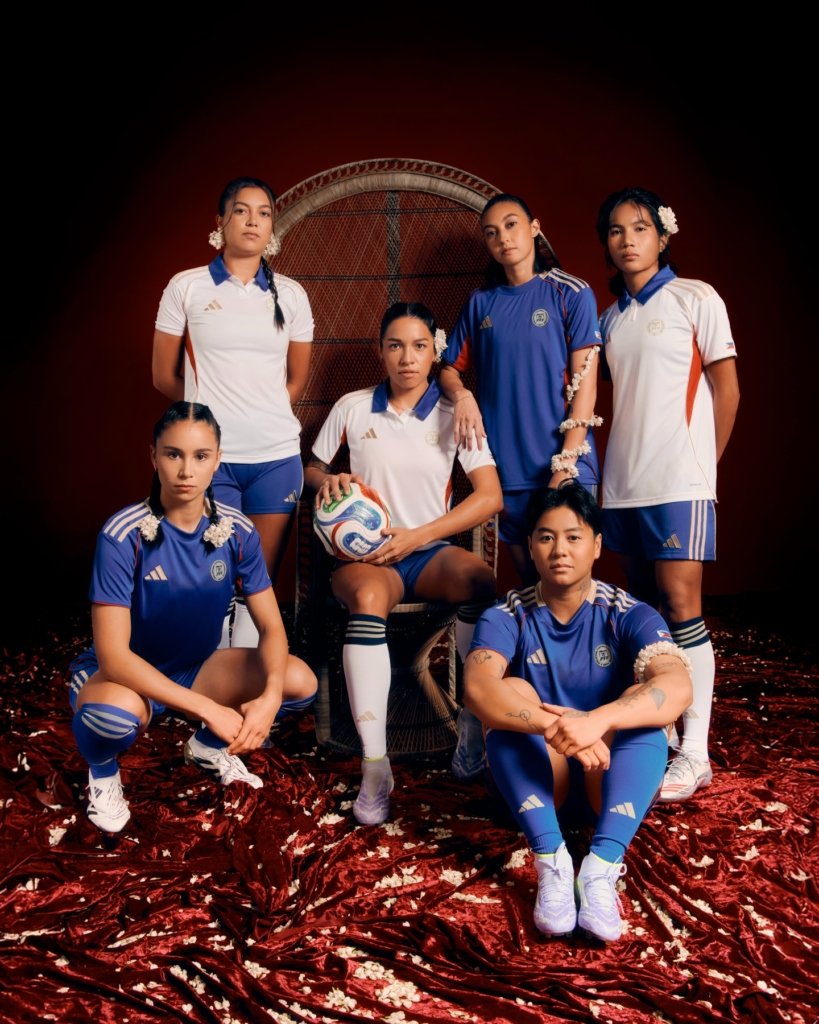
(Photo from Adidas)
Looking Ahead: 2026 and Beyond
As the Philippine Football Federation looks beyond 2025, the emphasis shifts from momentum to consolidation. The past two years demonstrated how steady leadership, clearer governance, and long-term planning can begin to translate into meaningful outcomes on the pitch and within institutions.
Negros Occidental Regional Football Association President Jose Miguel Valmayor summarized this period succinctly, noting that under President John Anthony Gutierrez’s leadership, the Federation “remained focused on the long-term direction of Philippine football.” Valmayor emphasized, “Knowing that there is a clear vision at the top encourages the regions to stay committed, improve our structures, and continue contributing to the national program.”
A defining marker of that progress came in 2025, when Philippine football reached an unprecedented milestone: for the first time, three national teams—Women’s Futsal, Men’s Football, and Women’s Football—advanced simultaneously to the SEA Games semifinals. This collective achievement underscored the Federation’s sustained investment in a complete development pathway, linking grassroots participation, youth competitions, domestic leagues, and national team preparation. It also reflected growing coherence across programs rather than reliance on isolated successes.

Entering the next strategic phase from 2026 onward, PFF’s focus centers on sustainability, infrastructure, and competitive excellence. Preparations will continue for upcoming AFC Women’s Asian Cup, AFC Men’s Asian Cup qualification and the ASEAN Men’s Championship-Hyundai Cup, ASEAN Women’s Futsal Championship, and the Asian Games, alongside the formation of a National Men’s Futsal Team and a National Beach Soccer Team to broaden the country’s competitive footprint.
A central pillar of this phase is the nationwide expansion of futsal through the FIFA Futsal Women’s World Cup 2025 Legacy Program, encompassing grassroots and national competitions, structured coaches’ and referees’ education, and the establishment of sustainable semi-professional and professional futsal leagues for both women and men.
Infrastructure development will remain closely aligned with these sporting objectives. In partnership with FIFA, AFC, and AFF, the Federation will support the development of small-, medium-, and full-sized artificial all-weather football pitches nationwide. Starting with the completion of three artificial all-weather half-pitches and two more quarter-pitches in 2025, PFF will soon construct five more quarter-pitches and eight more half-pitches in 2026 to expand access to quality facilities. Moreover, with the backing of the Philippine Sports Commission, the rehabilitation and dedicated use of Rizal Memorial Stadium for football and the PhilSports Arena for futsal are set to provide consistent national venues for teams, leagues, and major competitions.
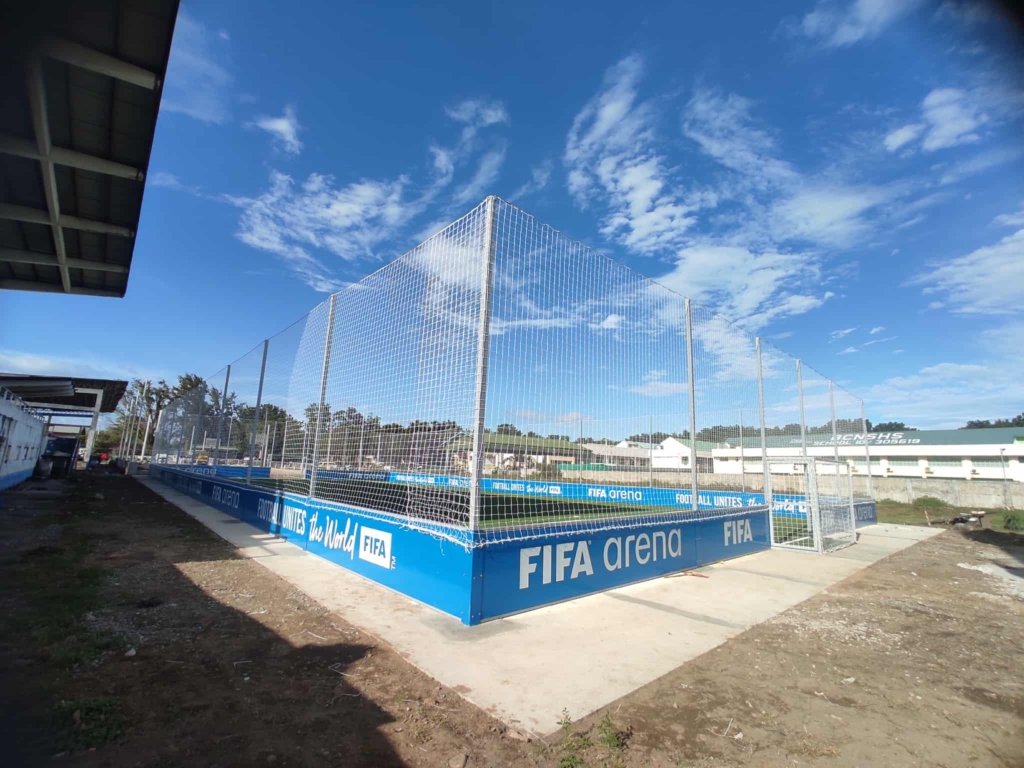
(Photo by Maripe Tuazon Soyangco)
At the base of the pyramid, continued investment in youth football and futsal leagues, full implementation of Football for Schools, sustained nationwide ball distribution, and the strengthening of Football Starts At Home through parent and community engagement will reinforce participation and retention.
To further professionalize the game, PFF aims to establish a dedicated center for professional football development to train coaches, referees, match officials, tournament organizers, media officers, general coordinators, and administrators. With this, the Philippines will be hosting its first FIFA Pro License Coaching Course in March 2026, raising the number of Filipino pro licensed coaches from the current two to twelve.
Expanded broadcast and digital coverage of national team matches and domestic leagues will deepen fan engagement and commercial value, supported by growing public and private sector participation.
With major international fixtures ahead, the Federation’s priority remains closing competitive gaps against Asia’s elite while ensuring that international targets continue to rest on strong grassroots and domestic foundations. United by the sama-sama spirit, Philippine football moves into the coming years with a clearer structure, broader participation, and a shared commitment to building a resilient and sustainable future for the game.