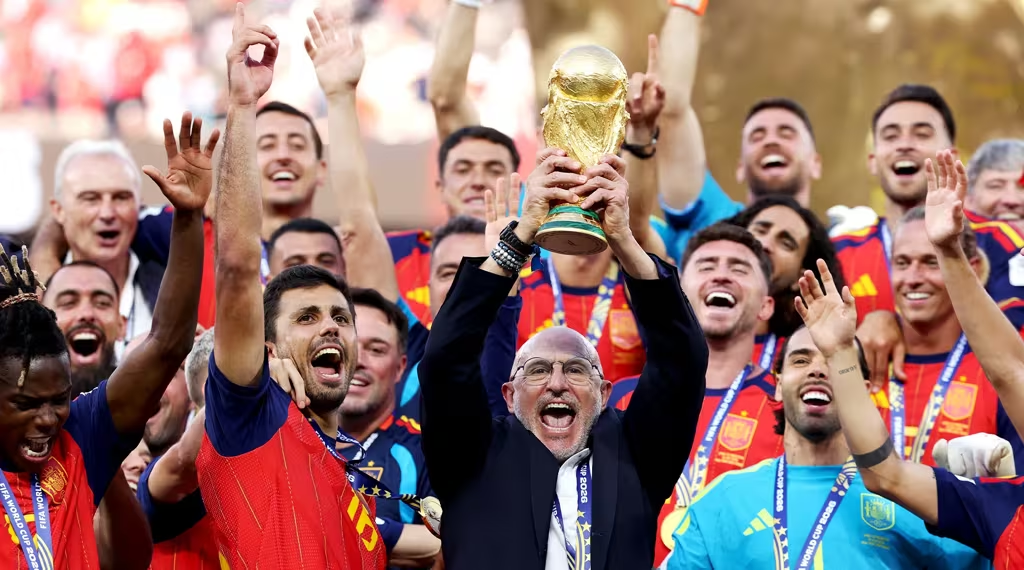
The Philippine Football Federation (PFF) congratulates Spain on capturing the 2026 FIFA World Cup, capping a remarkable campaign with a disciplined 1-0 victory over defending champions Argentina in the final.
Spain’s triumph showcased the hallmarks of its football identity—collective teamwork, intelligent ball circulation, tactical discipline, and defensive organization that limited Argentina to no shots on target throughout the match.
Beyond adding another chapter to one of football’s greatest international legacies, Spain’s World Cup victory carries a special significance for Philippine football. It reinforces a football philosophy that has connected the Philippines and Spain for more than a century and continues to shape the PFF’s long-term vision for developing the game.
For PFF President John Anthony Gutierrez, Spain’s return to the top of world football validates the value of building sustainable success through a consistent football philosophy, investment in people, and patience.
“Spain’s World Cup victory is the product of decades of commitment to developing players, educating coaches, and establishing a football identity that is consistent from grassroots to the highest level,” Gutierrez said.
Their success validates the importance of continuity, technical excellence, and long-term planning. These are principles that continue to guide PFF’s football development strategy.
The football relationship between the Philippines and Spain dates back well before the modern era of the game.
The Philippines proudly recognizes Paulino Alcántara as the country’s first football hero. Born in Iloilo to a Filipino mother and a Spanish father, Alcántara became one of football’s earliest global stars through his legendary career with the Philippine national team and FC Barcelona before representing Spain internationally.
More than a century later, his legacy remains a powerful symbol of the enduring football connection between the two nations.
That connection continued through generations of Spanish influence on Philippine football.
Among the country’s most respected national team coaches was the late Juan Cutillas, one of the longest-serving mentors of the Philippine Men’s National Team (PMNFT). Across five different decades, Cutillas dedicated himself to developing Filipino football, becoming one of the most influential figures in the history of the national team and helping shape multiple generations of Filipino footballers.
The Spanish connection has also extended to the players who have proudly represented the Philippines on the international stage.
Filipino-Spanish footballers such as Angel Guirado, Juani Guirado, Javier Patiño, Bienvenido Marañón, and current fullback Santi Rublico have all strengthened PMNFT while further highlighting the close football ties between the two countries.
“Spanish football has long been part of Philippine football’s story,” Gutierrez said.
From Paulino Alcántara and Juan Cutillas to the Filipino-Spanish players who have proudly represented our country and the outstanding Spanish football professionals working with us today, that relationship has continually enriched Philippine football.
Today, that century-old connection continues to shape the Federation’s technical direction.
PMNFT is led by Spanish Head Coach Carles Cuadrat, whose experience in elite European and Asian football has brought a modern, structured, and visionary approach to the senior national team.
At the youth level, PMNT Under-20 Head Coach Dimas Delgado and PMNFT Under-17 Head Coach Joan Segura continue to develop the country’s next generation of footballers by emphasizing technical quality, tactical intelligence, and sound decision-making.
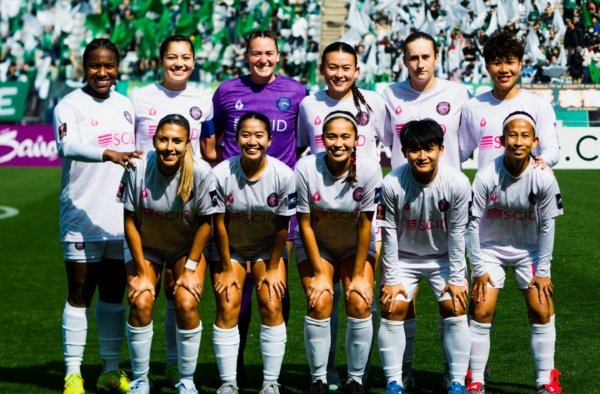
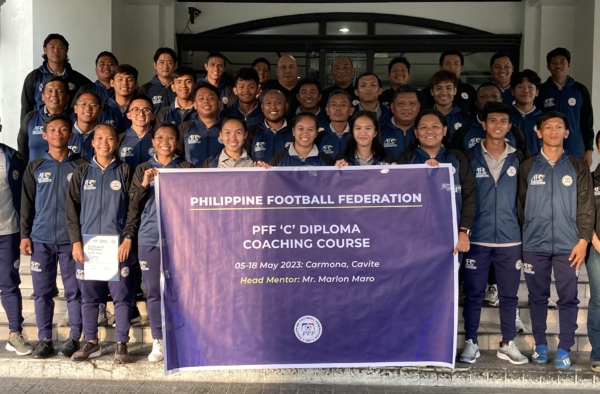
Overseeing the Federation’s technical direction is PFF Technical Director Rafa Merino, who also serves as Head Coach of the Philippine Women’s National Futsal Team. Merino leads the Federation’s technical strategy, coach education, talent identification, youth development, and national team philosophy, ensuring a unified football pathway across all levels of the game.
“The expertise that our Spanish coaches and technical leaders bring to Philippine football is invaluable,” Gutierrez said. “Their experience strengthens our technical programs while helping us build a football culture founded on learning, consistency, and continuous improvement.”
Central to that technical direction is the implementation of the internationally recognized Ekkono Method.
Developed in Spain, the Ekkono Method focuses on developing players’ understanding of the game by improving cognitive abilities, perception, positional awareness, decision-making, and technical execution in realistic match situations.
The methodology has become an integral component of the PFF’s player development framework and continues to be integrated into grassroots programs, youth national teams, coach education, and elite player development initiatives.
For Gutierrez, Spain’s World Cup triumph serves as further affirmation that the federation is pursuing the right long-term direction.
“We continue to learn from one of the world’s most respected football systems while adapting those best practices to the Philippine setting,” he said.
“The Ekkono Method, together with our investments in coach education, youth development, grassroots football, and technical leadership, is helping us establish stronger foundations for future generations of Filipino footballers.”
Spain’s latest World Cup success reinforces many of the principles underpinning the PFF’s long-term agenda: developing technically intelligent players, investing in qualified coaches, expanding grassroots participation, strengthening youth competitions, enhancing football infrastructure, and maintaining a unified technical philosophy across every level of Philippine football. Gutierrez concluded:
Spain’s World Cup victory validates our belief that sustainable success is achieved through patience, continuity, and investing in people. As we continue to strengthen Philippine football, our century-long connection with Spain remains an invaluable source of inspiration and connection in building the future of the game in our country.(Photo from fifa.com)