The Philippines’ hosting of the first-ever FIFA Futsal Women’s World Cup™ showcased more than the nation’s capacity to stage a world-class sporting event. It revealed the heart of the Filipino spirit: shared pride, collective energy, and an unwavering commitment to uplifting women’s sports from the grassroots to the global stage.
As the curtain closes on the FIFA Futsal Women’s World Cup 2025™ (FFWWC25), the Philippine Football Federation (PFF) honors the remarkable individuals whose dedication, passion, and teamwork transformed this historic inaugural event into a triumph not only for the Philippines, but for women’s futsal worldwide. With the collective effort of all the hardworking women and men who lent their time, strength, intellect, and resources, this World Cup is leaving a lasting legacy forged by thousands of hands and hearts.
PFF also expresses its deepest gratitude to His Excellency President Ferdinand “Bong Bong” Marcos for government’s invaluable support through the Philippine Sports Commission headed by Chairman Patrick “Pato” Gregorio, the dedicated PSC staff, government personnel, committed auxiliary personnel, and the PFF Executive Committee, who made the FIFA Futsal Women’s World Cup 2025 a resounding success.
PFF is also grateful for the support of the Philippine Olympic Committee led by President Abraham Tolentino. Special thanks is given to FIFA Council Member Mariano “Nonong” Araneta Jr. whose support boosted confidence for the hosting of the inaugural event.
Behind every match, every cheer, and every breakthrough were people whose devotion will inspire generations to come.
Praises for the Unsung Heroes
“We commend and congratulate the 500 strong unsung heroes who made the FIFA Futsal Women’s World Cup 2025 a success,” said PFF President John Gutierrez. “With you, we showed the world that Filipinos can host a truly world-class sporting event.”
PFF General Secretary Gelix Mercader, who oversaw the preparations of the Local Organizing Committee (LOC), extended profound thanks to around 300 volunteers, 150 LOC staff, and 100 auxiliary personnel whose commitment and warmth powered the tournament’s success. “Kayo po ang mga tunay na bayani ng World Cup na ito. Maraming salamat po sa inyong dedikasyon, sipag at tibay,” he said.
“It was very humbling to host the inaugural FIFA Futsal Women’s World Cup—and even more humbling to see it succeed. We dedicate this to all the futsal and football players across the country who made this possible,” Mercader added.
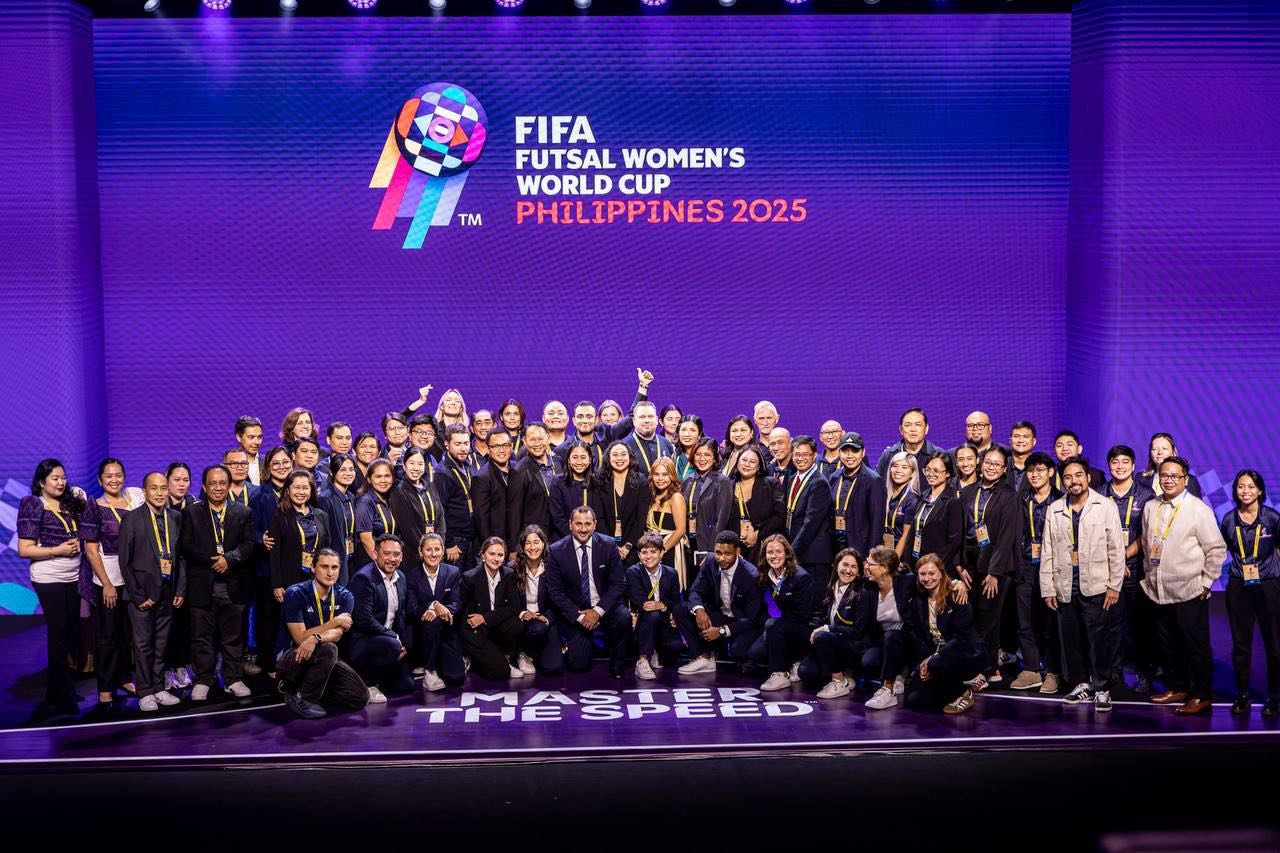
The Local Organizing Committee: A 500-Strong Workforce
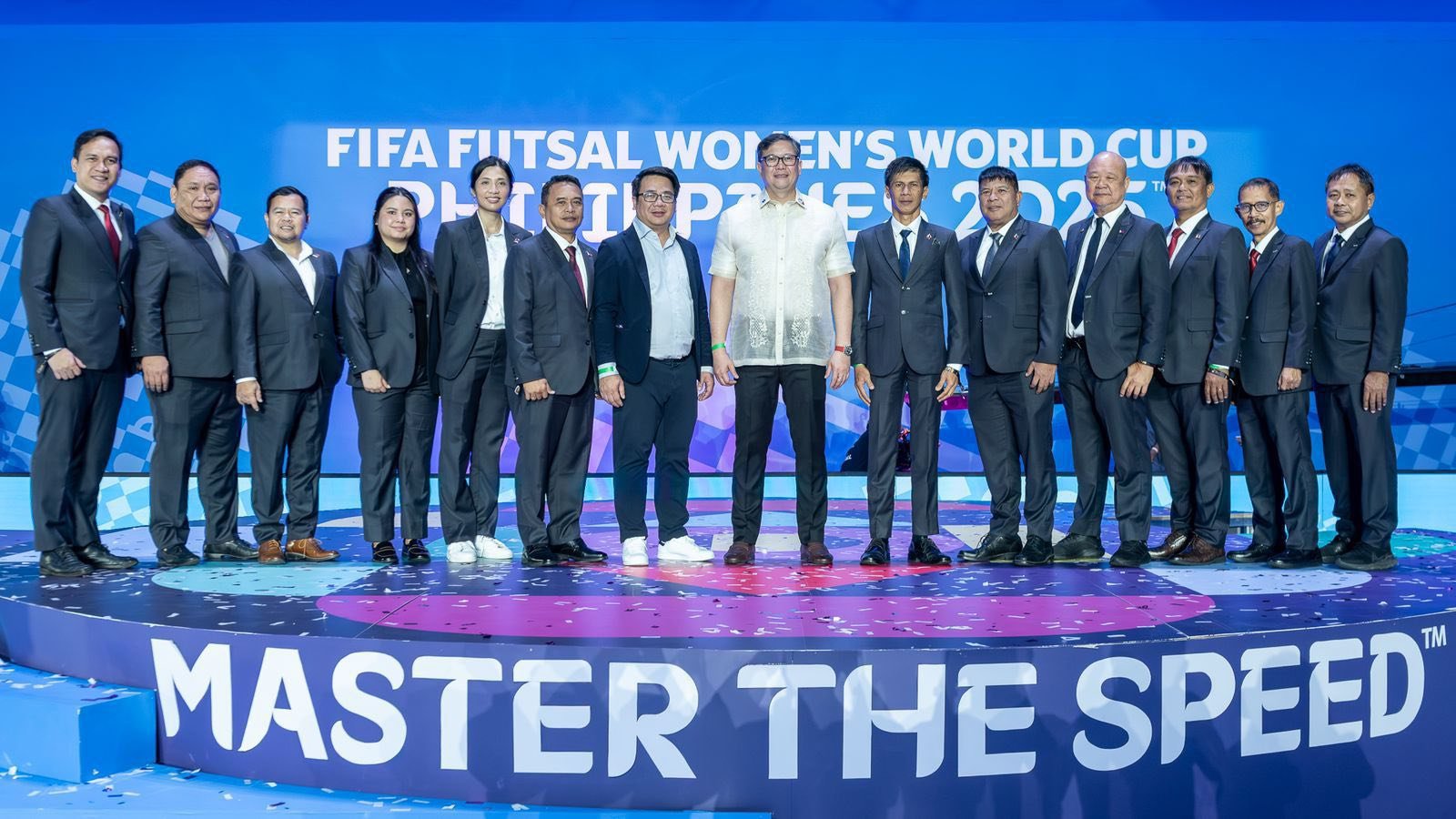
The Local Organizing Committee (LOC) was overseen by PFF’s top management, with PFF President John Gutierrez as Chair, PFF General Secretary Gelix Mercader as CEO. They were supported by the PFF Executive Committee with Female–at-Large Member Isabella Fernando as Government Relations Head, and PFF First Vice President Lawrence Fortun in the FFWWC2025 Preparations Committee. PFF Deputy General Secretary Kevin Goco also served in the oversight committee while UAAP Football Commissioner Rely San Agustin was Tournament Director in the preparatory stage of the event.
“This World Cup was the result of collective leadership and shared accountability, where every decision was guided by our responsibility to deliver an event worthy of the global stage, while ensuring the prudent use of resources afforded to us by the government,” said PFF President John Anthony Gutierrez. “The discipline and professionalism shown by the LOC reflect the standards we intend to uphold as Philippine football continues to host and lead major international events.”
A total of 155 dedicated individuals formed the core LOC, enduring months of intense preparation and the relentless pace of match days. Hosting FFWWC25 demanded not only operational excellence, but also disciplined data management, careful documentation for knowledge transfer, and responsible stewardship of public funds, each embraced with professionalism and care.
Women Empowerment at the Core
At the heart of the organizing team were women who led administration, legal affairs, procurement, guest operations, sustainability, broadcast, media, competitions, marketing, and youth programs. FIFA noted the tournament as one of the highest in female managerial representation—proof that leadership and excellence transcend gender.
Three former national team players served in pivotal roles during the preparation, execution, and legacy of the tournament.
Isabella Fernando, PFF Executive Committee Member Female-at-Large led Government Relations. Her tireless and remarkable efforts forged the essential partnership with the Philippine Sports Commission (PSC) and ensured government requirements were fulfilled with precision and care.
“Being part of the inaugural FIFA Futsal Women’s World Cup was a huge honor and responsibility to deliver and bring pride to the country… It was filled with great memories and hard work but what made everything worth it was seeing the arena filled with the future Filipina Futsal stars,” said Fernando.
Kyra Dimaandal, one of the first recruits, served as Deputy for Operations, guiding daily execution of the event with clarity, resolve, and heart.
“One of the best parts of working on the World Cup was realizing how many women were not just part of the workforce, but empowered in their roles. And seeing women lead in both the LOC and FIFA gave many of us hope, direction, and real role models to follow. It surely will have ripples of change,” Dimaandal said.
Camille Rodriguez, PFF Women’s Development Lead, carried futsal’s spirit nationwide through the Filipina5 Futsal Fiesta. More than 1,500 young athletes participated, and 290 girls were brought to experience the World Cup live, an inspiration they will carry far beyond the final whistle.
FIFA Volunteers: The Heartbeat of the Event
True to form, the volunteers of the FFWWC25, “beat as one.”
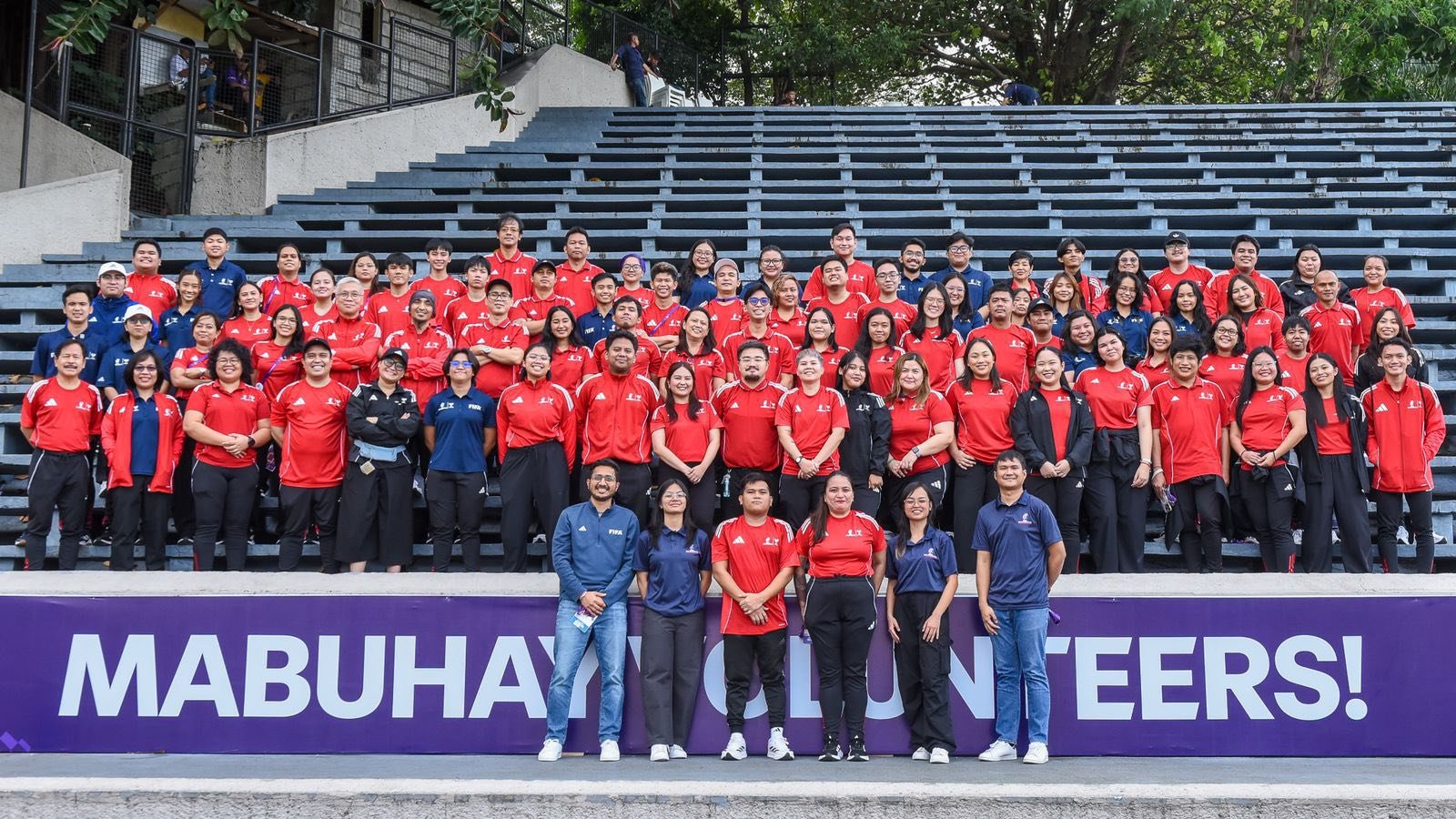
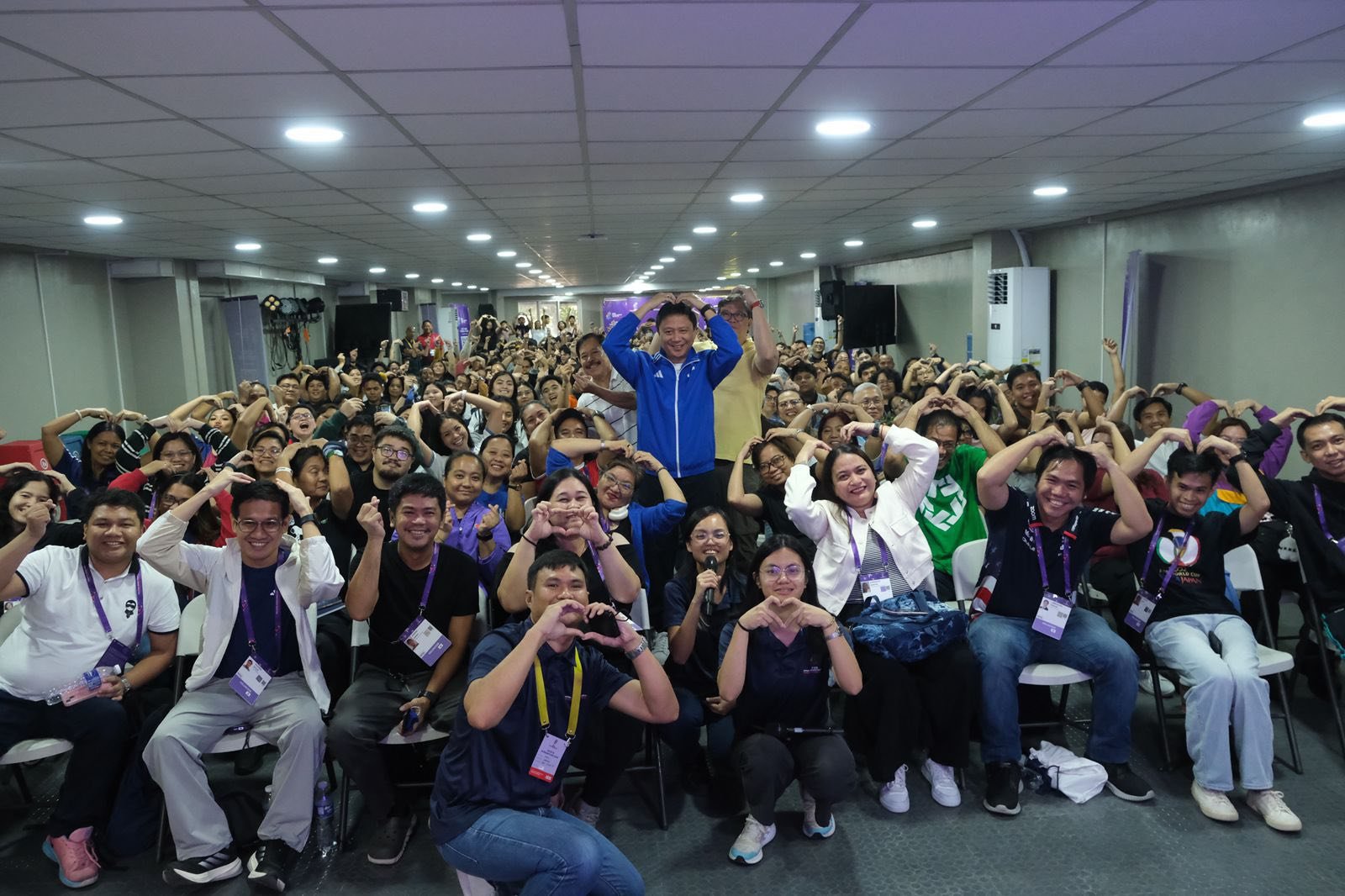
Through FIFA’s Volunteer Program, 317 volunteers supported every facet of the tournament. Coming from all walks of life, they were united by their love for the game and for the country: assisting teams, guiding fans, supporting media, managing accreditation, and ensuring smooth operations behind the scenes.
Their sincerity, professionalism, and signature Filipino hospitality elevated the tournament to something truly special.
“Working with my co-volunteers showed me how people come together for the love of the game… We may not be on the court, but we score goals of our own for our country,” shared Maurice Manahan, Volunteer Management.
“I am both grateful and honored to take a role and work with one of the most prestigious sports organizations in the world. The FIFA Volunteer Programme definitely works wonders by bringing out the best in every person when they volunteer. I was really glad to have witnessed firsthand and believe that FIFA volunteers are the heartbeat of every tournament,” said Errol Topacio, FFWWC25 LOC Volunteer Programme Manager.
“It’s an honor for the Philippines to host the very first Women’s Futsal World Cup. My son and I are both volunteers—it’s been a wonderful experience,” said Joey Tayaban, Catering.
PSC: A Driving Force
Even newly appointed, PSC Chairman Patrick Gregorio quickly became a driving force behind the tournament, championing the event and ensuring critical support reached the PFF without delay. His leadership helped set the tone for the unity and efficiency that defined this World Cup.
Alongside Chair Gregorio were Commissioners Walter Torres, Bong Coo, Edward Hayco, Matthew Gaston, and Executive Director Atty. Guillermo Iroy, who helped lead the government’s Inter-Agency Task Force with PSC as Chair.
Having seen the impact and potential of futsal’s growth through this world-class event, PSC is studying the designation of the PhilSports Arena as a permanent futsal venue. As the sole competition hall of FFWWC25, it was transformed into a world-class pitch. It is a “chance to build something big and lasting.”
The Government Inter-Agency Task Force : Bayanihan at its Finest
The PSC-led Inter-Agency Task Force (IATF) ensured that all government-related requirements of the tournament were met. This strong inter-agency cooperation helped create an environment of bayanihan between and among government agencies, PSC and the Local Organizing Committee.
Among the government agencies in the IATF were DILG, DOT, DFA, DOF, DBM, DOH, DICT, DPWH, DOTr, PNP, BOI, MMDA, NICA, NBI, IPOPh, PCO.
Pasig City: Champions of the Community
Host City Pasig, under the leadership of Mayor Vico Sotto, Vice Mayor Dodot Jaworski, City Administrator Atty. Jeronimo “Jeron” Uy Manzanero, and Sports Department Head Beatriz Grabador, played a central role in delivering a smooth and memorable tournament. Their coordination of crowd management, traffic, venue readiness, and essential services shaped an atmosphere where teams and spectators felt supported every step of the way.
Since the announcement of the country’s hosting of the World Cup, Mayor Vico and his office have shown tremendous support not only in providing logistical arrangements but also in building the legacy of the tournament. Diwa, FWWC25’s official mascot, was launched with Pasigeno children who took part in the program, which included a futsal clinic and games. PFF and Pasig will continue their partnership to strengthen football and futsal as a community sport.
Support From Congress and Local Government Units: Building Momentum Early
Even before preparations gained full momentum, support from key government leaders helped pave the way.
House Committee on Youth and Sports Development Chair Faustino Michael Carlos “Mike” Dy III and committee members provided the necessary document that enabled the awarding of the inaugural FIFA Futsal Women’s World Cup™ to the Philippines.
Senators Pia Cayetano and Bong Go were also among the first to extend their assistance. Senator Cayetano recognized its importance for young Filipina athletes and even graced the awarding ceremonies of the tournament, standing alongside FIFA representatives to give the awards.
Strong support was likewise extended by partner local government units, including the cities of Taguig and Mandaluyong, whose cooperation and commitment further strengthened preparations and underscored the whole-of-government effort behind hosting the tournament.
Seamless Collaboration with FIFA and International Experts
The tournament’s success was made possible through the close collaboration of the LOC with FIFA and international experts, whose guidance on competition standards, venue operations, security, entertainment, and team services blended seamlessly with Filipino expertise.
The Filipino workforce’s warmth and professionalism strengthened these partnerships, turning the World Cup into a powerful learning experience and elevating the country’s capacity to host future global events.
“Working side by side with FIFA and international experts, there was a true exchange of excellence. Our Filipino staff learned firsthand what it takes to deliver world class sporting events at the highest international standard, while our global colleagues embraced the flexibility, warmth, and ingenuity of the Filipino that has us at such high demand globally. This shared learning is a major legacy of this tournament – the development of people. The FFWWC25 brought individuals together from different work cultures, beliefs, and backgrounds and through a common goal of organizing a historic tournament, came together as a team to deliver a tournament that showcased the best of the Filipino and the best of the world,” said PFF Deputy General Secretary Kevin Goco who oversaw international relations.
Training Venues and Key Tournament Partners
The PFF and the LOC extend their sincere thanks to the University of Asia and the Pacific, St. Paul College Pasig, Ynares Center Antipolo, Christ’s Commission Fellowship (CCF), and the Tuloy Foundation for generously providing their facilities as training venues, enabling teams to prepare in a safe and well-supported environment throughout the tournament.
Special appreciation is given to Congresswoman Mia Ynares and the Ynares family of Rizal for graciously allowing the use of Ynares Center Antipolo.
The tournament was likewise supported by Globe Telecom, Green Antz, Soilmate, and the Department of Tourism, whose contributions helped ensure the overall staging and success of the competition.
In particular, DOT Secretary Christina Garcia Frasco helped promote the tournament and hosted a Welcome Dinner for all of the FFWWC delegates.
Diplomatic Support: Honoring the Embassies of the 16 Participating Nations
The PFF extends its heartfelt gratitude to the embassies of the 16 countries whose teams competed in the first-ever FIFA Futsal Women’s World Cup™: Argentina, Brazil, Canada, Chile, Colombia, Costa Rica, England, France, Japan, Netherlands, New Zealand, Nigeria, Philippines, Portugal, Spain, and Thailand. Their attendance in the matches fostered international camaraderie and goodwill, ensuring a welcoming experience for players and staff, and making the Philippines’ debut as host a truly global celebration of women’s futsal.
PFF Executive Committee and PFF Congress Support
The PFF expresses deep gratitude to the PFF Executive Committee and the PFF Congress, whose constant support and leadership turned vision into reality. They stood present, supportive, and engaged from planning to execution—ensuring that every detail aligned with the magnitude of this moment.
A Celebration Shared With more than 5,000 Fans
Above all, the PFF extends its heartfelt gratitude to every fan who filled Philsports Arena with pride and joy. “You came not only to support your national teams, but to celebrate the highest stage of women’s futsal,” said President Gutierrez.
Attendance consistently rose to more than 2,000 per Filipina5 match day, and swelled to over 5,000 during the medal matches on December 7—a testament to the country’s growing passion for the sport.
“I’m seriously so proud that the Philippines hosted the FIFA Futsal Women’s World Cup 2025,” said writer and football mom Marinel Cruz. The Philsports Arena was packed with over 5,000 fans on championship night… “And of course, this all happened during my Football Mom Era… it was just awesome!”
The championship match was made even more meaningful by the strong presence of grassroots clubs, schools, and football communities who came to witness history at the venue. The PFF gratefully acknowledges the following groups whose passion and presence filled the arena with purpose and inspiration:
Payatas FC; Gawad Kalinga (GK) Headquarters; Munting Pamayanan (GK PWD); YFA; Quezon City Football; Araw Alon (Zambales); Buyang Bayo; Tuloy Foundation; Malabon Pitch Dwellers FC; GK Pinagsama Youth; Bilibid FC; Welfareville; Imus Pilot Futsal Girls; Tondo FC; Ynares (Rizal); San Francisco/Santo Cristo FC; Trace FC; Corazon FC; and Youth Program participants.
Their support reflected the true legacy of the World Cup—one that reaches far beyond the final whistle and into communities where the future of Philippine futsal and football continues to grow.
Local government units in Quezon City and Rizal, along with universities such as the Philippine Normal University (PNU) and Philippine Women’s University (PWU), reinforced the shared commitment of institutions and communities to the growth of women’s futsal. Through FFWWC’s youth and community programs, clubs arrived in droves, filling the arena with cheers that echoed throughout the tournament.
“We are beyond grateful to have been part of this unforgettable moment,” Malabon Pitch Dwellers FC posted. “Witnessing world-class athletes compete… has deeply inspired our young futsal players to pursue excellence with passion and discipline.”
The Heart of the Legacy
This historic hosting is, above all, dedicated to the more than 30,000 female futsal players across the country from the Palarong Pambansa, Regional Football Associations, grassroots clubs, schools, and community programs, whose collective efforts and sustained participation helped shape the environment that made the Philippines a trusted host of the world’s first FIFA Futsal Women’s World Cup™. They form the foundation upon which the continued growth of women’s futsal in the nation now stands.
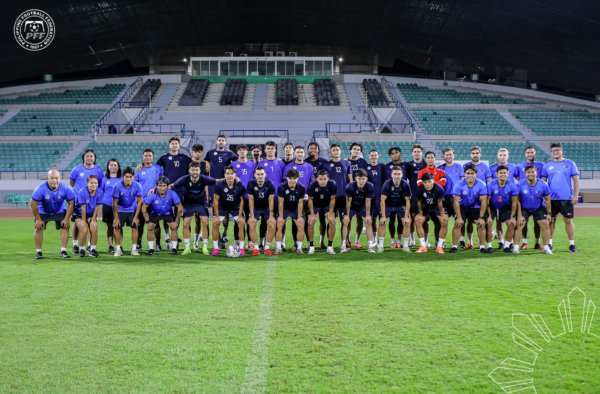
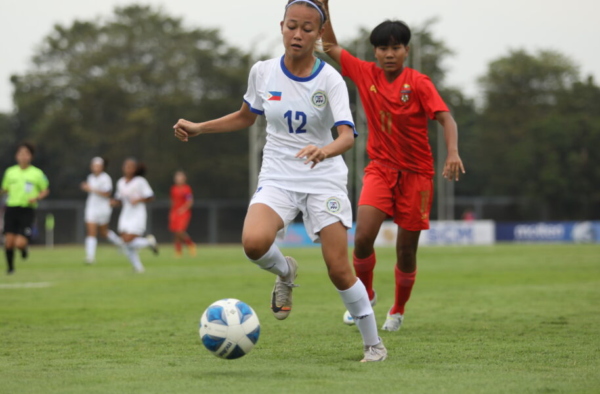
A special dedication is extended to the Filipina5, whose rapid emergence as a competitive national team underscored the progress of the women’s futsal program and demonstrated the results of long-term investment in opportunity, structure, and support.
“What a journey this year has been, this National Team has been through so much in such a short time. From being a newly formed team a year ago to now representing on the world stage, we worked incredibly hard and showed so much dedication. It wasn’t easy, but we played for more than just ourselves, we played for our families, our friends, and our country. As the youngest on the team, there was pressure, but I’m so thankful for my ates who always looked after me and had my back. I feel so lucky to experience all of this, and I hope it shows the younger generation that you’re never too young to dream big as futsal continues to grow in the Philippines,” said Filipina5 goalkeeper Samantha Hughes.
“I am extremely grateful to have been part of this historic moment. Among the countless players who dream of reaching a stage like this, I am truly fortunate to be one of those given the opportunity. I extend my deepest gratitude to the coaches, the staff, the federation, President John, and FIFA for making what once seemed an impossible dream a reality. Representing my country is not just for myself, but for every child who dares to dream and for those who will continue to dream in the future,” said Dionesa “Inday” Tolentin.
“Being part of history is something I will always carry with me. It’s an incredible honor and privilege, and I’m deeply grateful to everyone who made this moment possible— PFF, PSC, FIFA, the local organizing committee, the volunteers, coaching staff, and my teammates. May this legacy inspire the next generation to believe, to dream, and to take women’s Philippine futsal even further!” said defender Catherine Graversen.
PFF also extends its deepest gratitude to all players, whose continued commitment strengthens the sport’s foundation and ensures that the impact of this milestone endures beyond the tournament itself.
It was an honor to present the world’s first FIFA Futsal Women’s World Cup™ to the Filipino community—whose spirit, generosity, and pride made every moment unforgettable.
To everyone who poured their spirit into this historic milestone: thank you for making history with us.