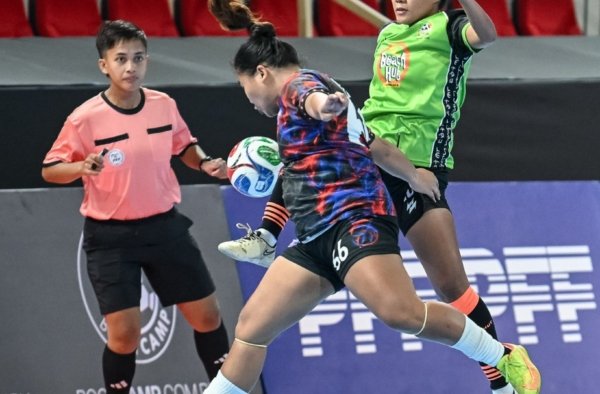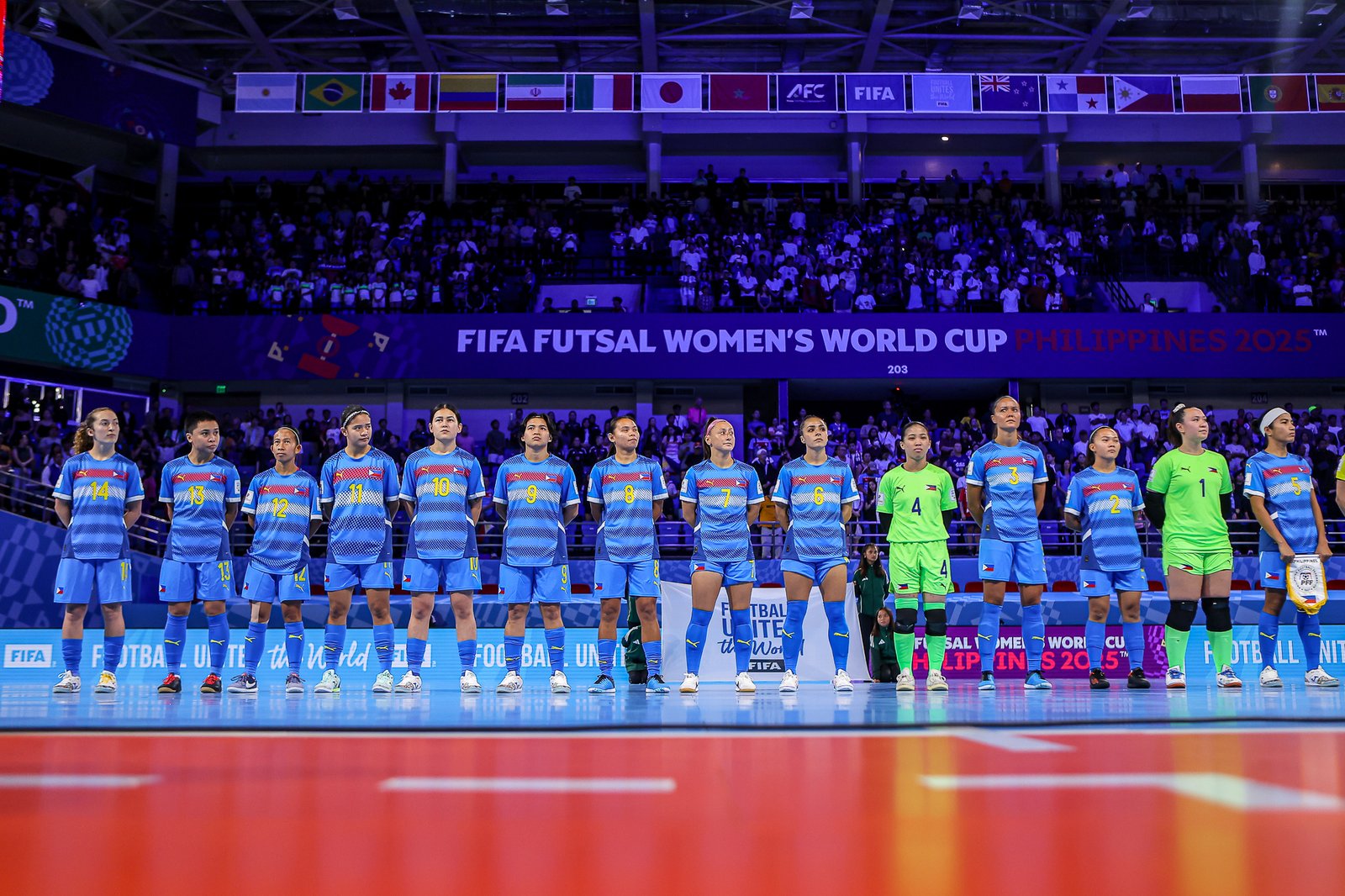
With historic achievements in 2025, the sport of futsal has been elevated to new heights. Under the steadfast leadership of PFF President John Anthony Gutierrez, the Federation has not only fostered rapid growth in women’s futsal but also secured international acclaim, culminating in the successful hosting of the inaugural FIFA Futsal Women’s World Cup (FFWWC) 2025.
This event, the first FIFA World Cup finals ever held on Philippine soil and in Southeast Asia, a region brimming with passionate footballing nations like Thailand, Vietnam, and Indonesia amid a rapidly expanding global football market, underscores PFF’s capability to deliver world-class events and inspires confidence in its visionary direction.
The journey began in 2024 with the Philippine Women’s National Futsal Team (Filipina5), making strides in regional competitions. At the ASEAN Women’s Futsal Championship, the team achieved its first-ever draw against Myanmar (1-1) and narrowly fell to higher-ranked Indonesia (1-2), signaling the program’s maturation through sustained exposure and structured support.
By 2025, under Head Coach Rafa Merino and Team Manager Vince Santos, Filipina5 shattered barriers: qualifying for the AFC Women’s Futsal Asian Cup for the first time with victories over Kuwait (4-1) and Turkmenistan (2-0), plus a 3-3 draw against world No. 18 Uzbekistan. Their debut at the FFWWC saw them score landmark goals against elite opponents, including a valiant 2-3 stand against African champions Morocco, where Dionesa “Inday” Tolentin and Cathrine Graversen netted historic strikes, and a spirited performance against Argentina, highlighted by Isabella Bandoja’s goal.
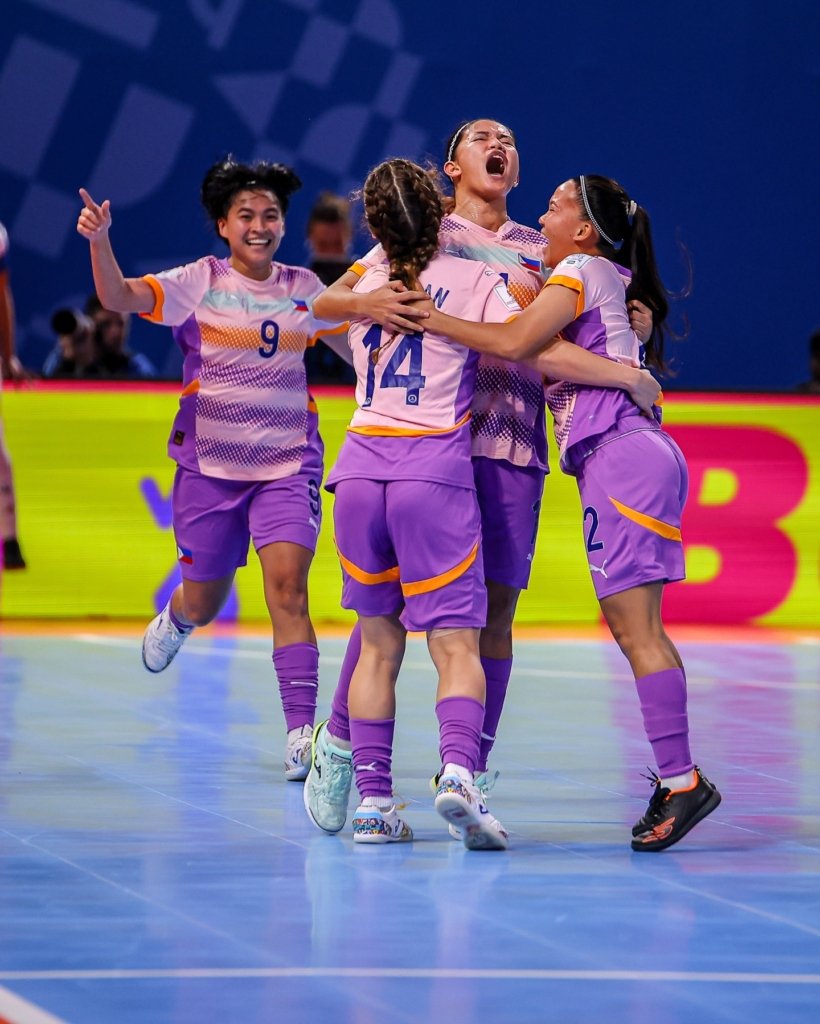
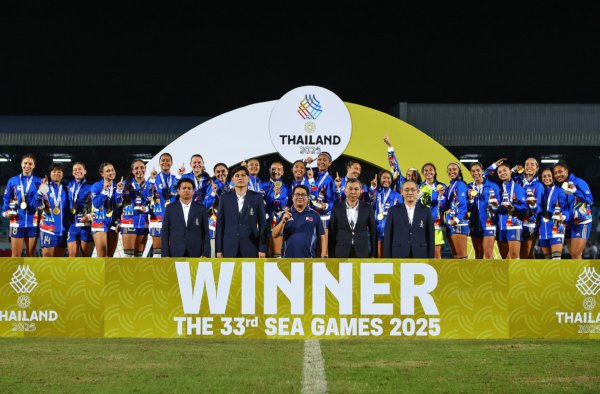
At the 33rd SEA Games in Thailand, Filipina5 completed a trifecta of semifinal berths for Philippine football teams, stunning Malaysia 3-1—their first win over the higher-ranked side since 2007, and pushing Vietnam to a narrow 0-1 semifinal defeat. These results demonstrate measurable progress against global powers.
“Everybody put their puso on the court,” said Filipina5 main goalkeeper Samantha Hughes after the SEA Games. “We’ve already come so far, coming out of a World Cup into this, and this is just the beginning.”
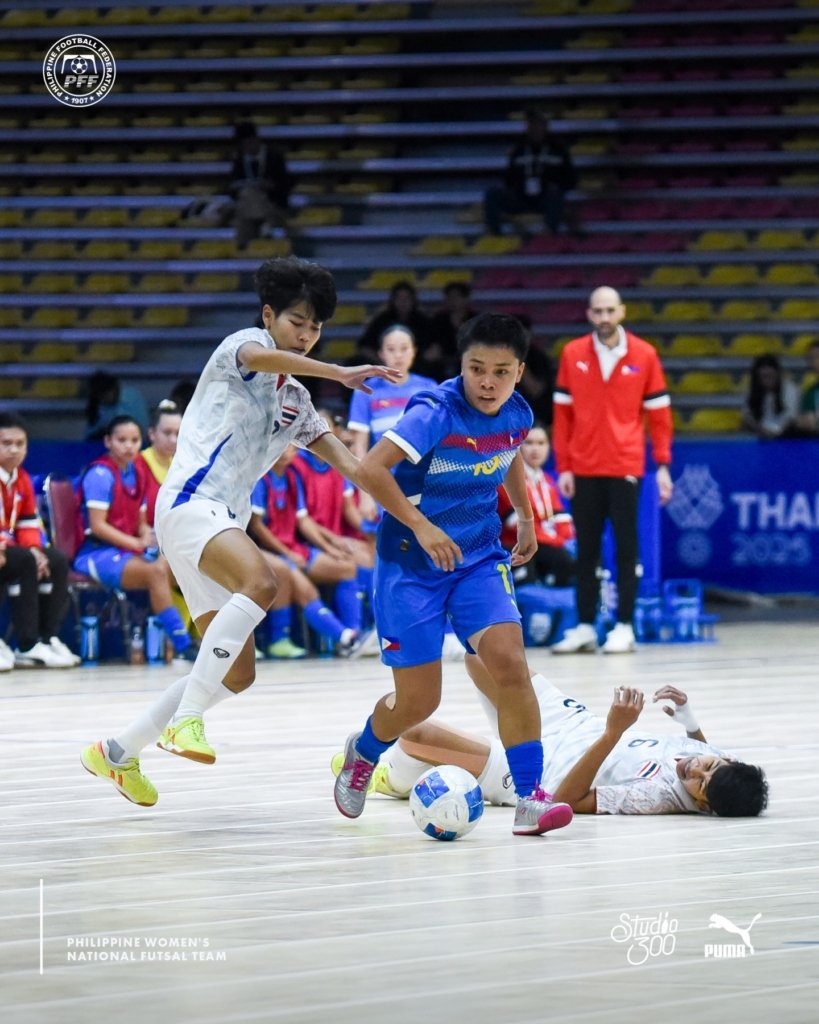
PFF President John Gutierrez emphasized the program’s resilience: “What the Filipina5 achieved went through in 2025 speaks volumes about the direction of our women’s futsal program after the World Cup. This is how sustainable football development looks: competitive, fearless, and forward-looking.”
The pinnacle was hosting the FFWWC at the PhilSports Arena in Pasig City, where attendance consistently topped 2,000 for Filipina5 matches and surged to over 5,000 for the medal rounds, culminating in Brazil’s 3-0 victory over Portugal. FIFA President Gianni Infantino lauded the effort: “A big, big thank you to the Philippines for being such incredible hosts of the first-ever FIFA Futsal Women’s World Cup, including a full house of over 5,000 fans at the final! This first edition has set such high standards on and off the pitch. I am especially grateful to the people of the Philippines and the Philippine Football Federation, led by President John Gutierrez.”
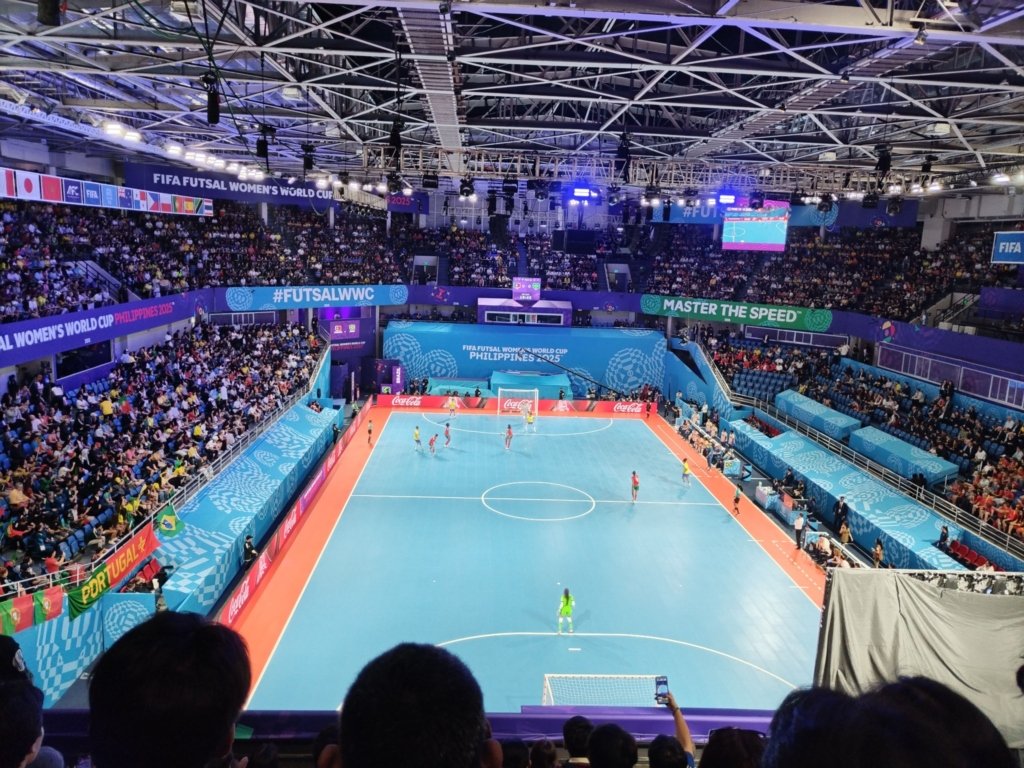
Philippine Sports Commission (PSC) Chair Pato Gregorio highlighted the event’s broader impact: “This is historic, right? We hosted the first ever FIFA Futsal Women’s World Cup. And we played so well. If we put our minds and hearts into this, can we do it? Yes. Sports can help the economy if we attach it to tourism. It’s a great way to promote our country.”
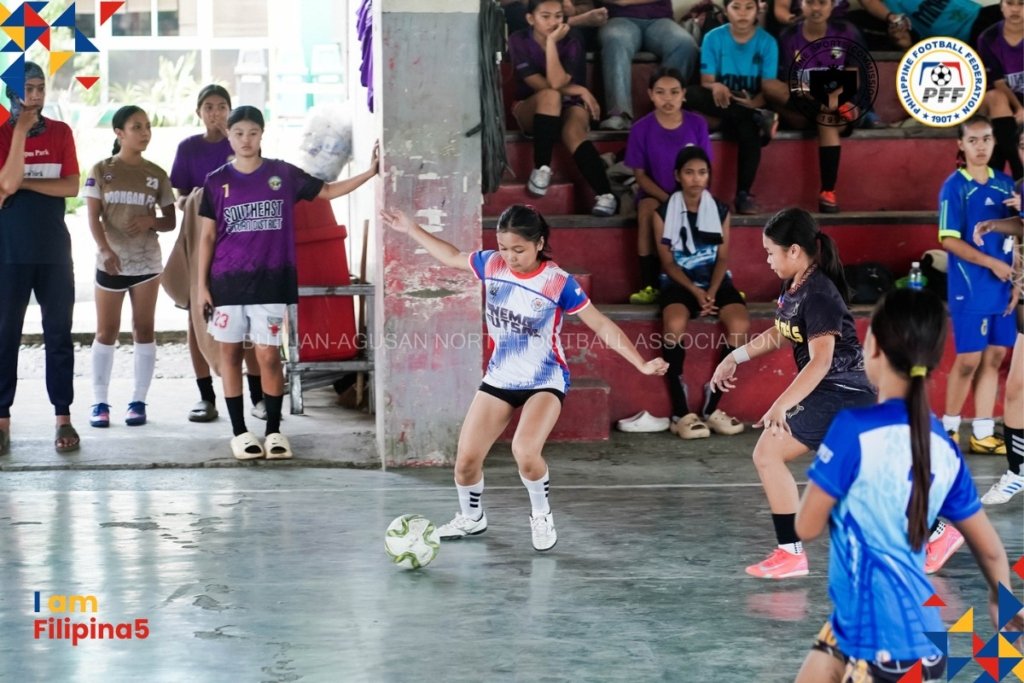
Grassroots initiatives amplified this success. The Filipina5 Futsal Fiesta, a nationwide competition spanning 37 regions and engaging over 1,300 players, bridged local talent with elite aspiration. Winning teams from clubs in Luzon, Visayas, and Mindanao were flown to watch the World Cup live, making the inaugural edition witnessed by a live audience coming from all regions in the Philippines. “The FIFA Futsal Women’s World Cup legacy belongs to every Filipina futsal player across the country,” Gutierrez stated. “Through the Filipina5 Futsal Fiesta, we are bringing the celebration to every Regional Football Association.”
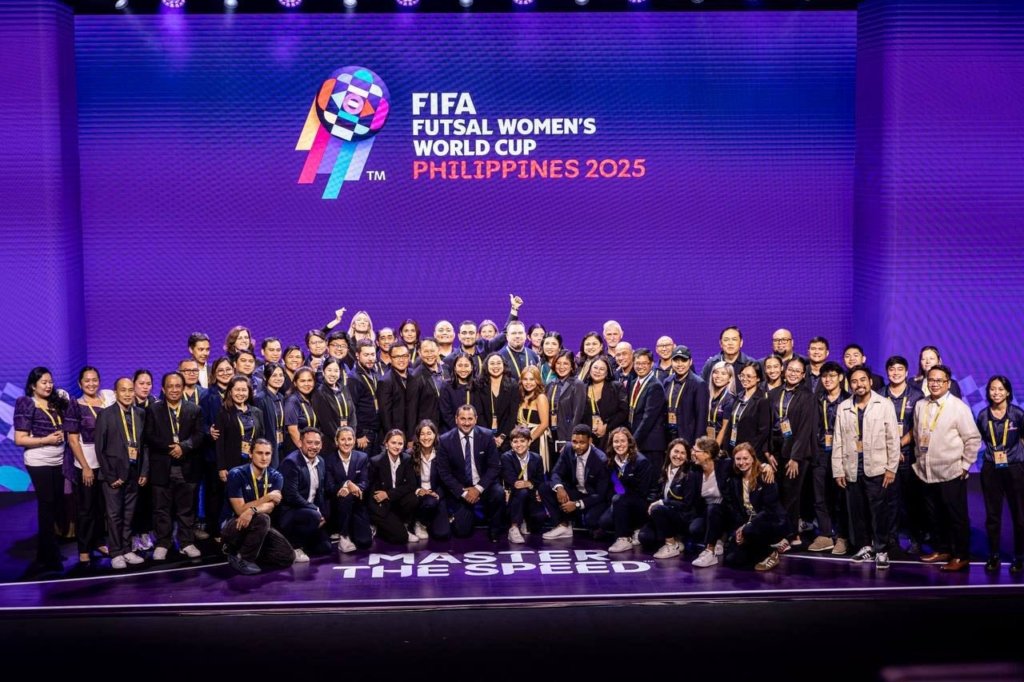
International confidence in PFF governance deepened, evidenced by FIFA’s selection of the Philippines as host following a comprehensive hosting plan in close coordination with FIFA, the 500-strong workforce of the Local Organizing Committee, PSC, the Philippine government through its Inter-Agency Task Force, and the Pasig City Government. President Gutierrez’s appointment to the FIFA Futsal Committee and partnerships with brands like Puma further solidified trust. PSC’s push to designate PhilSports Arena as the “House of Futsal” aligns with the World Cup’s legacy programs, including infrastructure rehabilitation and expanded coaching education.
Looking ahead, PFF’s 2026 strategy focuses on sustainability: forming a National Men’s Futsal Team, preparing for the upcoming ASEAN tournaments in February (Women’s Futsal Championship and April (Men’s Futsal Championship), and establishing semi-professional leagues. Investments in youth leagues and Palarong Pambansa inclusion for girls’ futsal promise broader participation.
Infantino commended the Philippines: “To host the first one of what will be a competition that will grow immensely all over the world is something which is even more special. So, I’m really proud and really happy of what the Philippines have done here.”
These achievements affirm PFF’s leadership as a beacon for holistic futsal development. As Gutierrez concluded: “The passion we saw in the arena proves that futsal has a home here. With the continued support of FIFA, our government through PSC, sponsors and benefactors, and the Filipino people, we will build a future where futsal thrives from the grassroots to the global stage.”