BUCHAREST — The Philippine Football Federation (PFF) is strengthening its long-term football development agenda through a high-level technical and strategic visit to Romania last January 24 to 27, as part of its ongoing collaboration with the Romanian Football Federation (FRF) under the UEFA Together program.
The collaboration, arranged through the help of the Asian Football Confederation last year, forms part of the project “Strategic Pathways: Empowering Philippine Football through Strategic Planning and Education,” a structured partnership that began in September 2025 and will run until July 2026. Its core objective is the co-development of PFF’s Strategic Management Plan, drawing from FRF’s experience in governance reform, technical advancement, grassroots expansion, and commercial growth.
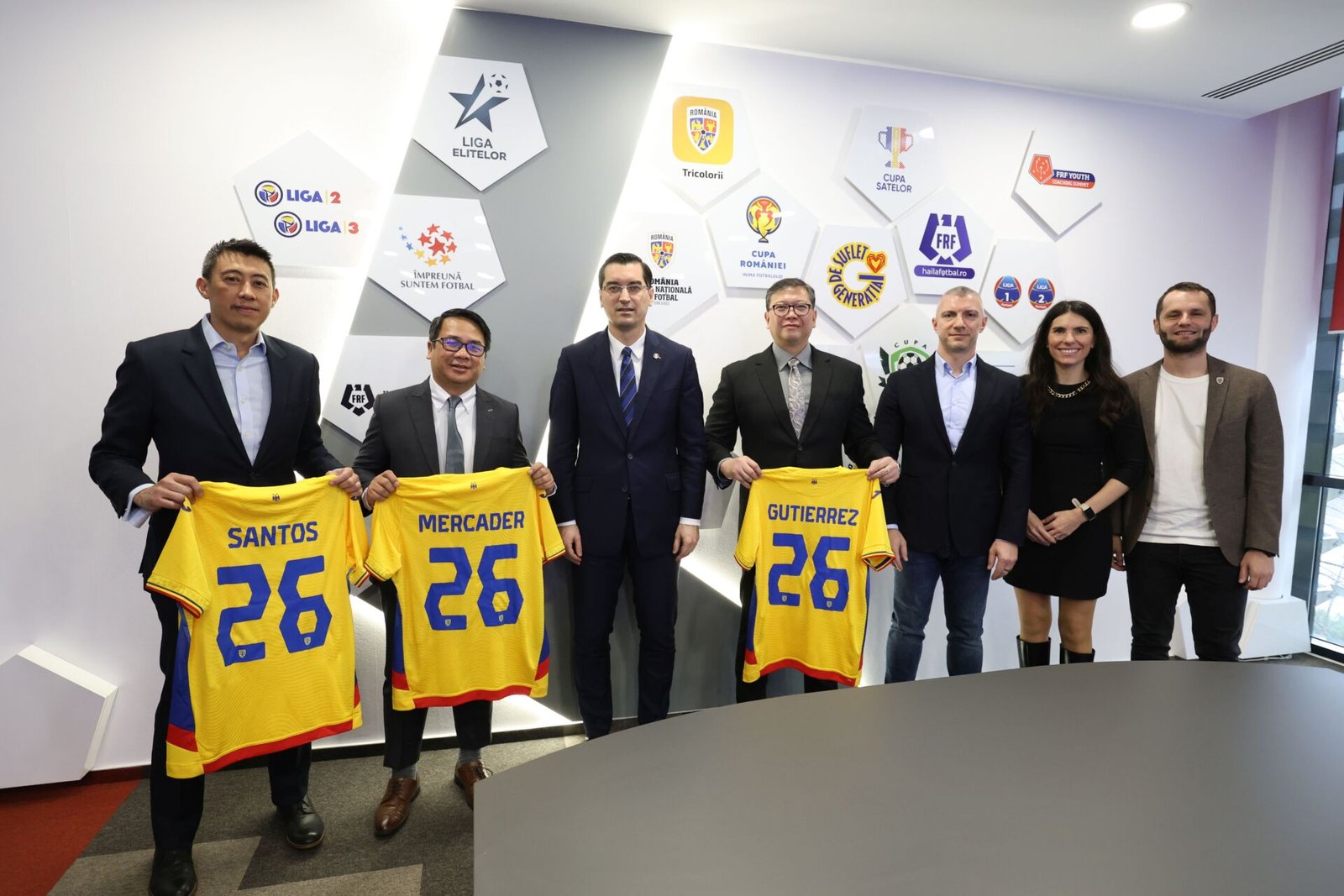
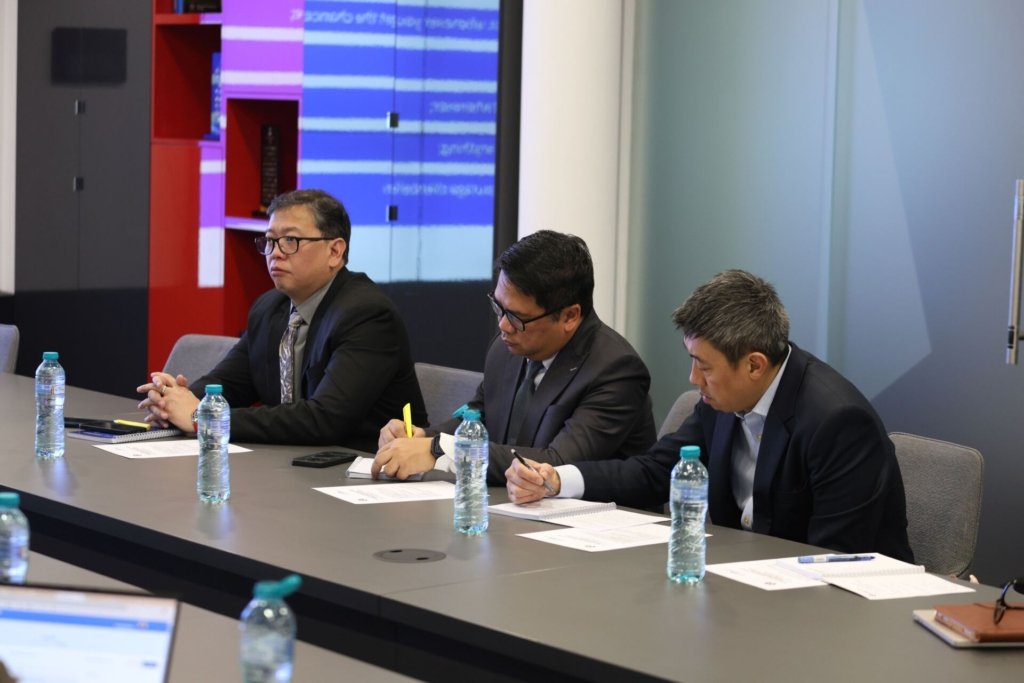
The Philippine delegation is led by PFF President John Anthony Gutierrez, alongside General Secretary Gelix Mercader and Director of Football Vincent Santos. Over the course of the visit, the delegation is engaging with FRF leadership and technical experts to study Romania’s modernization journey and adapt relevant best practices to the Philippine context.
The first day of discussions was opened by FRF President Răzvan Burleanu, who outlined FRF’s transformation into a transparent, professionally run, and commercially viable institution. The exchange focused on how strategic clarity, institutional credibility, and long-term planning enabled Romanian football to modernize across all levels of the game.
“This partnership confirms the role of the Romanian Football Federation as a mentor to football nations undergoing rapid development,” Burleanu said. “We are honored that our strategic model can serve as a foundation for building the future of Philippine football.”
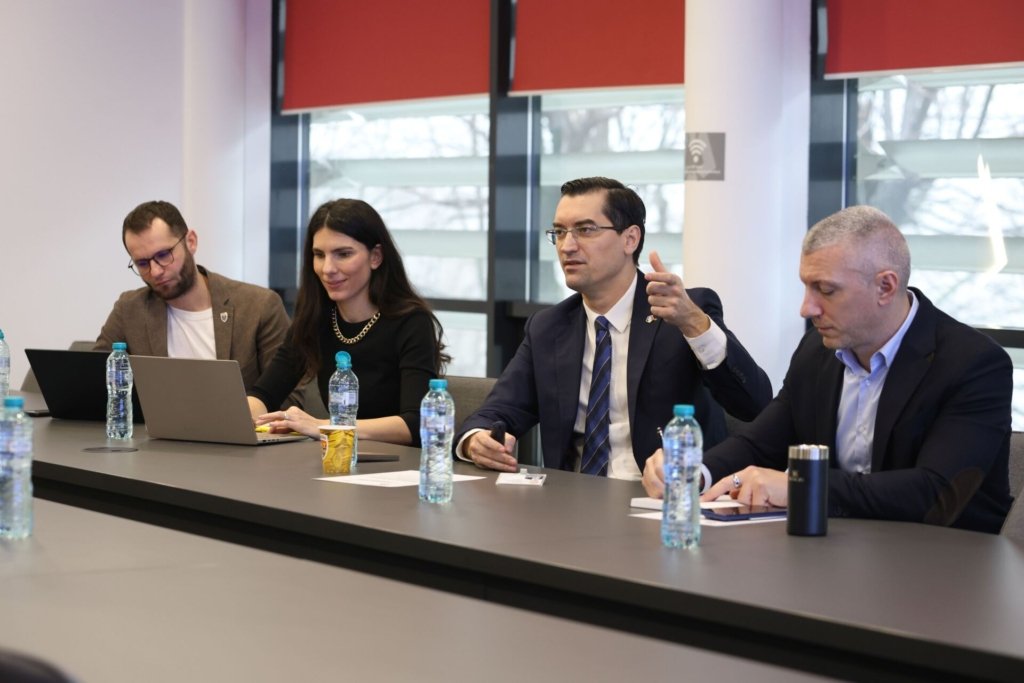
For PFF President Gutierrez, the collaboration represents a critical step in aligning Philippine football with modern international standards.
“Romania’s experience shows what is possible when governance, technical development, and commercial strategy move in one direction,” Gutierrez said. “Our ambition is clear: to build a system that allows football in the Philippines to grow faster, more sustainably, and more inclusively. This partnership gives us concrete tools to do that.”
Across two working days, the Philippine delegation is participating in focused workshops covering key strategic pillars. These include strategic design, where mission, vision, and core values are defined to create long-term institutional value; commercial and marketing strategy, centered on football brand positioning to grow audiences and attract partners; and technical and grassroots development, with particular attention on adapting Romania’s successful Cupa Satelor (Village Cup) rural football model to the geographic realities of the Philippine archipelago.
Women’s football is also a major area of exchange, with discussions focused on sustaining momentum following the Philippines’ historic FIFA Women’s World Cup debut in 2023. Sessions examined pathways for elite performance, grassroots participation, and institutional support to ensure continuity and growth.
Beyond the Bucharest visit, the partnership includes a strong educational component designed to support implementation of the future strategic plan, wherein FRF experts and PFF specialists are jointly developing a customized education program that will address governance, administration, technical performance, and communications.
Thereafter, FRF officials are set to visit the Philippines this year in continuation of this meaningful collaboration.
Gutierrez emphasized: “Collaborating under the UEFA Together program is about learning, adapting, and embedding best practices in a way that respects our local realities while meeting UEFA and global standards. Education is what ensures that this knowledge transfer translates into real, lasting change.”
Through the UEFA Together framework, PFF views this partnership as a cornerstone of its long-term reform agenda aimed at building robust institutions, widening access to football nationwide, and laying the foundations for sustained competitive success on the Asian and global stage.
(Photos from Romanian Football Federation)